The post SEO vs. GEO: What’s the Difference and Why You Should Care first appeared on Read Our Blog – Webguru Infosystems.
]]>The digital world is throwing a lot of terms at businesses. SEO and GEO are two of the loudest. Many people mix them up, but they are very different from each other. Decoding them can help brands thrive or disappear online.
Many people already know about SEO services, and GEO (Generative Engine Optimization) often hides in the shadows. Search engine optimization definitely helps brands climb the SERP ladder, but effective GEO strategies can add an extra twist. So, let’s learn how they work together and apart to make your online success.
What Exactly Are SEO and GEO?
SEO focuses on making websites rank higher on search engines. On the other hand, the GEO process helps a website’s content to get better visibility in AI-driven search engines. Both of the things help brands connect with audiences, but they do it in unique ways.
Search Engine Optimization (SEO) is a set of practices used to enhance a website’s visibility on search engine results pages. The main aim revolves around ranking higher when potential customers are searching for similar keywords. SEO involves many techniques, such as keyword optimization, content generation, backlinking, and technical site enhancements.
Generative Engine Optimization (GEO) targets the optimization of your content on your site to increase your site’s exposure in AI search engines like ChatGPT, Perplexity, Gemini, Copilot, and Google AI Overviews. This new approach makes your company visible in AI-generated results if users search using queries related to your services, products, or areas of competence.
Now, it can be said that SEO is effective but not enough! GEO should be in the strategy, especially when AI-generated overviews now appear in up to 47% of Google searches. On mobile devices, AI overviews can cover up to 75.7% of the screen. So, now businesses need to play more strategically and smarter, and there’s no way to ignore AI anymore!
Key Differences Between SEO and GEO You Should Be Aware Of
Both SEO and GEO aim to increase content visibility. However, there are key differences between them in terms of the targeted platforms and overall user experience. Let’s explore the critical differences first and then how we can align both worlds for better results.
The Work Approach
The search engine optimization happens through a three-stage process. The first stage is crawling, where search engines deploy bots to find content by following links across the web. In the next indexing phase, discovered content is processed and then stored in a massive database. When a user conducts any search, the search engine retrieves relevant data/content and ranks it based on factors like
- Keyword relevance and placement
- Backlink quality and quantity
- User experience signals
- Content quality and comprehensiveness
- Technical factors like loading speed, responsiveness, security, etc.
GEO boosts your content’s visibility in AI-powered platforms like ChatGPT or Google Search AI overviews. Here’s the process:
- Content ingestion starts as AI systems ingest web information via pre-training or real-time pulling.
- Knowledge extraction comes next when AI recognizes significant facts and relationships in your content.
- When users ask questions, relevance evaluation decides what sources have the most credible information.
- Response generation finishes the task since AI creates answers by combining information, possibly referencing your content if it gives concise facts, organized information, original insights, and proof of expertise.
The fundamental difference is SEO needs to rely on ranking signals to determine your content’s position in the list. But GEO relies on information quality and structure to determine inclusion in synthesized answers.
Also Read: How AI is Affecting SEO? Things You Need to Know
Content Display
SEO results show web pages in order of relevance and page quality to the search engine query. Users view a list of links, each with a short description, in order of perceived relevance. Your content is one of many possibilities that appear.
GEO returns real-time generated AI answers summarizing data from various sources. Rather than links to click on, people are given synthesized answers from several websites, along with citations of the original source. Your content might become part of a larger narrative rather than a standalone destination.
This basic difference in presentation alters the way contemporary users interact with and view sources of information. The classic “ten blue links” in the SERP is starkly different from AI’s conversational, synthesized answers.
User Interaction
SEO involves users clicking on single links to visit relevant web pages. The user process entails checking search results, choosing promising options, visiting websites, and perhaps going back to search results if the information is not adequate. This process requires more active selection from users.
GEO makes it possible for users to get answers with sources, cutting down on the number of clicks and effort involved. Much of the information gathering and synthesis is taken care of by the AI platform, giving users complete answers that may render a visit to specific websites unnecessary. This streamlined experience changes user expectations.
Content Structure
SEO content is keyword-optimized for particular words, with technical and on-page SEO in consideration. Content structure usually adheres to known patterns that search engines understand—headings, subheadings, keyword density, meta descriptions, alt tags, and other old-school optimization features. The focus remains on signaling relevance to search algorithms.
GEO delivers users authoritative content extracted from various sources, formatted to provide explicit answers to particular user questions. Content needs to prove expertise, accuracy, and comprehensiveness worthy of a citation by AI systems. The emphasis shifts from keyword optimization to becoming the most authoritative voice on a topic.
Performance Metrics
SEO performance is measured by traffic and conversion metrics. Indicators of success are keyword rankings, volume of organic traffic, click-through rates, bounce rates, time on page, and conversion rates from organic search visitors. These are indicators of how well your content is attracting and engaging website visitors.
GEO tracks outcomes based on how frequently your content is referenced or cited by AI-returned results. Important metrics involve frequency of citations, visibility in AI responses, attribution rates, traffic from referrals by AI platforms, and visitor engagement metrics coming from visitors by way of AI citations. These newer metrics require different tracking and analysis methods.
A Quick Comparison Table— SEO Vs. GEO
| Comparison Factor | Traditional SEO | Generative Engine Optimization (GEO) |
| Primary Goal | Achieve high rankings in search result pages | Secure mentions in AI-generated responses |
| Discovery Process | Bot crawling → Database indexing → Algorithm ranking | Content absorption → Knowledge structuring → Relevance matching → Answer synthesis |
| User Experience | Users scan results, click links, and browse websites | Users receive comprehensive answers without leaving the AI interface |
| Content Requirements | Keyword-optimized, technically sound, backlink-supported | Factually accurate, clearly structured, authoritative, directly answering common questions |
| Success Indicators | Position in search rankings, organic traffic volume, click-through rates | Citation frequency in AI responses, attribution quality, referred traffic from AI platforms |
| User Interaction Model | Multiple clicks across different information sources | Conversation with AI that synthesizes multiple sources |
| Information Presentation | Separate websites competing for attention | Integrated information from multiple sources in one response |
| Visibility Format | Website link with meta description | Direct content quotation or citation within answers |
| Technical Focus | Site speed, mobile optimization, structured data markup | Clear factual statements, organized information hierarchies, authoritative positioning |
| Traffic Source | Direct website visits | Citations and references in AI responses |
| Algorithm Updates | Periodic search engine algorithm changes (months/years) | Continuous AI model improvements and training updates |
| Content Structure Priority | Headers, keywords, meta elements, internal linking | Clear factual statements, comprehensive topic coverage, demonstrable expertise |
| Competitive Dynamic | Outranking other websites for valuable keywords | Becoming the preferred citation source for AI responses |
| Platform Examples | Google Search, Bing, Yahoo | ChatGPT, Google AI Overviews, Perplexity, Gemini |
How Can You Combine SEO and GEO in Your Strategy?
Though they are distinct, GEO and SEO are complementary methods and not opposing strategies. Smart marketers should appreciate the synergy between these approaches and apply them in conjunction. The foundation always relies on quality content that serves both purposes simultaneously.
Detailed content forms the foundation for both strategies. In-depth, authoritative content ranks well in traditional search results and gives AI systems extraction-worthy content. The E-E-A-T guidelines (expertise, experience, authoritativeness, and trustworthiness) equally favor both traditional rankings and AI citations.
Strategic content structure boosts both optimization methods. Definite, descriptive headings enhance SEO readability and become ideal extraction points for AI systems. FAQ blocks meet featured snippet potential and serve direct answers that AI can reference in responses. Structured data markup increases SEO in the form of rich results while enabling data to be more parsable for AI systems.
The best digital strategy combines both methods to build a complete presence on all channels of information retrieval so that it is seen no matter how users query. Users ask questions; relevance assessment decides which sources provide the most trustworthy information. Response generation caps it off as AI generates responses, possibly referencing your content if it presents definitive facts, organized information, novel insights, and demonstrated expertise.
Also Read: Want More Traffic? Try These 10 Quick SEO Tips for Faster Ranking Gains
Conclusion
Knowing the differences between SEO and GEO gives businesses better ways to boost their digital presence across the entire search ecosystem. The distinctions matter because they determine how potential customers discover and interact with companies online. While SEO is about familiar search engines, GEO is about the nascent ecosystem of AI-driven search results.
Digital companies don’t have to pick between these strategies but rather use them strategically in combination. The complementary nature of the strategies can create synergistic effects that neither strategy achieves independently. Users can benefit from finding relevant information regardless of their preferred search method, while businesses enjoy more qualified leads and higher conversion rates.
FAQs
1. What’s the difference between SEO and GEO?
GEO and SEO are two different methods of search optimization. SEO is about increasing website presence in traditional search engine results, while GEO is all about optimizing AI-generated answers and generative search engines. SEO relies on keywords and backlinks, while GEO is based on structured data and AI-optimizable content structures.
2. Can GEO replace SEO?
No, GEO is not a substitute for SEO but a complementary approach. While SEO is still essential for search visibility, GEO is gaining prominence for AI-powered searches. Optimizing website content for both SEO and GEO is essential for greater visibility and organic traffic from diverse sources.
3. What are the benefits of implementing GEO?
Using GEO for your content enhances visibility in voice search results and AI-generated answers, providing a better user experience through direct answers.Optimizing for GEO can also future-proof your content strategy and make it more responsive to new search technologies. Optimizing for both traditional and AI-powered searches helps businesses to reach more people and stay relevant in an increasingly AI-saturated digital landscape.
The post SEO vs. GEO: What’s the Difference and Why You Should Care first appeared on Read Our Blog – Webguru Infosystems.
]]>The post How to Regain Lost Rankings After a Google Algorithm Update first appeared on Read Our Blog – Webguru Infosystems.
]]>
Imagine!
Your business website has been steadily rising in the search engine rankings. Traffic is up, conversions are satisfactory, and other factors also seem perfect. Then, nearly overnight, your rankings plummet! It’s heartbreaking to realize that a Google algorithm update has turned your digital world upside down.
This is not at all a mere imagination! Being a leading SEO service provider, we are too familiar with such situations! Google’s algorithms are constantly evolving. In fact, in 2022, it launched 4,725 changes to search, including user interface, ranking systems, and more. It means Google Search is changing 13 times per day (on average)!
Businesses invest months and years to achieve the desired rankings. A single algorithm update can vanish their rankings within hours. A business might face significant lead/revenue losses while the owner figures out what went wrong.
What Are Google Algorithm Updates?
Google makes thousands of changes to its search algorithms each year. Most changes/updates happen in the green room without much fanfare. However, the major updates can dramatically reshape search results across the internet. For example, the March 2024 core update affected many search results across all niches. Google also declared that the update was to reduce low-quality search results.
“You’ll now see 45% less low-quality, unoriginal content in search results versus…”
(Source: Google Search Update, March 2024)
Tips to Recover Rankings Affected by a Google Algorithm Update
After a dramatic ranking drop, panic is the usual response! But that won’t help you recover ranks. Instead, you can try the below-mentioned steps for quicker recovery.
-
Identify the Impact on Your Website
Following an algorithm update, it’s important to evaluate how your site has been impacted. Keep an eye on your site’s performance metrics, including organic traffic, bounce rate, and conversion rates. A drastic decline in these metrics could mean that your site has been adversely affected. Experts suggest using tools such as Google Analytics or Google Search Console to learn which pages or keywords have seen declines. This data will help you pinpoint areas that need improvement.
-
Conduct Technical SEO Audit
Most ranking declines result from technical issues that Google’s new algorithms suddenly perceive as more bothersome. You can start by crawling your entire site for broken links, redirect chains, or server mistakes. Check the mobile responsiveness of your site on several devices and display sizes. Page speed has gained importance with each update, so use Google PageSpeed Insights to see where you can improve. Consider adding schema markup if you have not done it yet. The organized data makes search engines understand your content’s purpose and context better.
-
Do Content Quality Assessment
Quality content is still at the center of the majority of Google updates. Go through your content with fresh eyes or outsource it to a third party for assessment. Search for thin content pages that deliver minimal value to users.
Recent algorithm updates are capable of recognizing low-quality content that is lacking in depth or expertise. Websites with high-quality, expert-written content experience less volatility irrespective of algorithm updates. Check whether your content truly answers user questions comprehensively and authoritatively.
-
Check Reputation and Authority Signals
Google increasingly considers website authority and trustworthiness in ranking. Scan your backlink profile for spammy links that could cause algorithmic penalties. Assess your brand mentions and citations throughout the web for accuracy and consistency.
Consider your site’s overall E-E-A-T signals (Experience, Expertise, Authoritativeness, and Trustworthiness). Refreshing your About page, author bios, and credentials can sometimes help recovery. Also, don’t miss opportunities to demonstrate industry leadership through guest posting, speaking engagements, or publishing original research.
-
Perform Competitive Analysis
Ranking drops can occur not because your site got worse, but because competitors got better. Look at sites now ranking where you used to. Study their content strategy, technical setup, and user experience components.
See if they’ve made some specific changes recently that may have tipped the scale in their favor. Pay close attention to how they organize content and answer user intent for relevant search terms. What you learn from competitive analysis usually yields the clearest recovery roadmap.
-
Build High-Quality Backlinks
Backlinks are still a significant ranking factor. Experts suggest acquiring high-quality, relevant backlinks from authoritative websites. You can try guest blogging, collaborate with popular influencers, and create shareable content to attract natural backlinks.
In the quest of quickly recovering backlinks, don’t fall prey to black-hat SEO. For example, buying links can lead to penalties. A strong backlink profile means Google will accept your site as trustworthy and authoritative which will eventually help recover lost rankings.
-
Improve User Experience (UX)
User experience plays a crucial role in search rankings. Your website should be easy to navigate, visually appealing, and provide a seamless experience across all devices.
Being a leading SEO company in India, we suggest optimizing page load speeds as you know slow loading can lead to a higher bounce rate. Place clear call-to-actions so that users can easily find the information they need. A positive user experience encourages longer site visits and improves engagement, which can positively impact your position in the SERP.
-
Create a Recovery Implementation Plan
After a thorough analysis, you should create a prioritized recovery plan based on your findings. Start with quick wins that have the ability to display immediate effect while laying the groundwork for longer-term enhancements.
Record your changes in detail so you can measure what actually works. Track rankings daily throughout the recovery process to determine if there are positive trends. Keep in mind that recovery generally takes time – generally at least until the next big algorithm update. Patience combined with persistent improvement efforts yields the best results.
Google algorithm changes don’t have to mean disaster for your business. They’re opportunities to refine your site and provide more valuable experiences for users.
With methodical analysis and strategic improvements, most websites can regain lost positions and usually come out even stronger. A digital marketing company that keeps pace with algorithm changes earns competitive ground against those that don’t embrace evolution. Embracing the challenge, learning from every update, and continue optimizing your digital presence with user experience as your north star.
Also Read: The Ultimate Year-Round SEO Checklist to Drive Lasting Results
Conclusion
Recovering your rankings from a Google algorithm update requires a multifaceted approach. Understand the nature of the update, assess its impact on your site, and implement strategic movements to regain your lost rankings.
Irrespective of the type of algorithm update, your site should have a motto to deliver information and solve your target audience’s pain points. For that, you should always prioritize content quality, optimize technical aspects, analyze competitor strategies, build high-quality backlinks, and improve user experience.
Stay informed and adaptable to prepare for future changes. Google and you should have the same goal—providing value to your audience.
Being a business owner, your plate is already full, and you have no time to manage all these on your own. The best way out is to hire SEO services. We are nearly a two-decade-old SEO company in India and have been handling many ups and downs caused by algorithm updates. Whether you want to recover your rankings or make your site immune to these updates, we can help you in all possible ways.
The post How to Regain Lost Rankings After a Google Algorithm Update first appeared on Read Our Blog – Webguru Infosystems.
]]>The post Why Prioritising SEO Post-Launch Ensures Your Website’s Success first appeared on Read Our Blog – Webguru Infosystems.
]]>No matter the reason, launching a website online is an exciting milestone. However, the effort and responsibilities don’t end there. After your website is live, it is time to concentrate on Search Engine Optimisation (SEO). It helps improve your website to rank higher in search engine results pages (SERPs) so that potential clients may find you more easily. But why SEO? Continue reading this blog to know why a website cannot survive without SEO in this age.
If Your Website is Already Launched, Why Should You Start SEO Next?
1. Visibility and Organic Traffic Are Critical for Growth
Your website may be breathtaking, creating an awesome impression on the visitors. But it will serve no purpose if no one can find it in their search results. The internet is a large realm, with millions of websites vying for attention. SEO makes your website discoverable by optimising it to appear in search results when users seek items, services, or information relevant to your speciality. You can easily hire an SEO service provider to do so if you are not equipped with an in-house digital marketing team.
For example, consider starting an online store to sell handcrafted jewellery. If SEO is not implemented, the website will not show up in search results for terms like “artisan jewellery” or “unique handmade bracelets”. By increasing your visibility, SEO helps you reach your target audience, which boosts organic traffic and helps your business expand.
2. Search Engines Are the Gateway to the Internet
Google processes about 8.5 billion searches every day, making it the primary source of information. If your website does not come up in the search results on Google, it is as if it does not exist in the digital realm. A strong SEO strategy devised by marketing specialists helps search engines comprehend your site’s purpose and relevance to users. This particular aspect is a must to ensure better ranking in SERPs.
Meta titles, descriptions, headers, and content are just a few of the components that must be optimised as a part of effective SEO implementation. With this, users get clear, pertinent, and organised information that further enhances the user experience while assisting search engines in crawling and indexing your website.
3. Establishing Domain Authority Takes Time
Search engines favour websites that indicate expertise, trustworthiness, and authority. However, establishing domain authority does not occur overnight. It is a gradual process and takes time. So, the sooner you begin adopting SEO strategies, the sooner your website will be recognised as a reliable source in your sector. If you hire SEO services in India, most firms will help you with the keywords for your web page content.
The calibre of this content, backlinks from reliable websites, and user engagement indicators are some of the elements that affect domain authority. One such indicator of user engagement would be the amount of time an user spends on your website. Early SEO implementation lays the groundwork for long-term success and creates a strong reputation that both users and search engines can rely on.
4. Competitors Are Already Investing in SEO
In the current competitive digital market, SEO is no more a new concept, and many companies are already experiencing its benefits. If you procrastinate, there can be a risk of your business falling behind. A well-optimised website can reach a larger part of your industry’s online audience, giving you an advantage over other firms that are yet to implement SEO.
For instance, if you own a local bakery but have no optimised online presence, your competitors with already established digital reach will get more clients. More because they get to appear higher in search results for phrases like “best bakery near me” or “custom cakes in [place name]”. You may get top rankings and establish yourself as the preferred option for prospective clients only after you prioritise SEO application.
5. SEO Improves User Experience
Search engines, such as Google, prioritise websites that provide positive user experiences (UX). The factors that make UX better include fast loading speeds, mobile responsiveness, and easy navigation that reduces the chances of user frustration. By investing in SEO, you are not only optimising for search engines but also constructing a website that consumers will keep wanting to visit repeatedly.
With services from a skilled SEO service provider, your website will see longer dwell durations, lower bounce rates, and increased engagement. All these indicate a better user experience that search engines benefit from. Over time, your site will profit from a cycle of SEO-led visibility and interaction created by these indicators that help you gain ranks faster in search results. As a result, there can also be a higher chance of conversions.
6. SEO Provides Long-Term Benefits
Unlike paid advertising, which provides instant outcomes that are temporary, SEO is a long-term investment. Once your site starts ranking high, it can continue to receive organic traffic with proper SEO maintenance and upgrades as per the market trends. By planning for SEO immediately after launching your website, you create the foundation for long-term development with one major strategy.
For instance, blog posts or website content that are optimised with relevant keywords may rank highly for months or even years. This aspect keeps bringing in steady traffic to your website. Your efforts will continue to pay off long after that required SEO implementation.
7. Content Marketing and SEO Go Hand-in-Hand
Content is the foundation of any good SEO campaign. High-quality, educational, and entertaining content not only garners visitor attention but also improves your ranking for specific keywords. So you will need to align your content marketing efforts with SEO. This strategy will result in a potent combination that increases traffic and conversions.
For example, if your website provides fitness coaching services, posting blog entries on subjects like “10 Tips for Effective Weight Loss” or “How to Stay Motivated to Exercise” is suitable. This is likely to be helpful for visitors looking for guidance on the subject. The content is not only an information source but also converts people into customers with proper CTAs. These posts too will rank higher and reach a wider audience if they are optimised with keywords, internal links, and structured headings.
8. Local SEO Drives Foot Traffic
If your company has a physical location, local SEO is crucial. Look for SEO services in India that can help you optimise your website for local searches. This allows you to attract local clients who are actively looking for your products or services. Local SEO methods include building a Google Business Profile, gaining reviews, and targeting location-specific keywords.
For instance, a Seattle dentist can optimise their website for keywords such as “emergency dental care Seattle” or “best dentist in Seattle.” This guarantees that local prospective patients may locate and get in touch with them with ease. The online presence of your business can be beneficial for the ones who need your service or product and get you new customers as well.
9. Analytics Help You Make Data-Driven Decisions
SEO gives crucial information about how consumers engage with your website. Google Analytics and Google Search Console enable you to track traffic, user behaviour, and search performance. These insights might help you modify your approach and make data-driven decisions to improve the performance of your website as needed.
For instance, you should add a strong call to action to increase conversions or update a blog article with fresh content if you see that it is receiving a lot of traffic. Consistency is key for maximising website traffic that can further showcase your business’ credibility to the customers. This iterative process guarantees that your website remains useful and relevant over time.
10. The Digital Landscape Is Constantly Changing
Search engine algorithms are continuously changing, so staying ahead needs ongoing effort. Starting SEO quickly after your website’s debut guarantees that you are ready to adjust to these developments. You can sustain your competitive edge by following best practices like mobile-first indexing and voice search optimisation.
For instance, optimising for conversational keywords and natural language questions becomes more crucial as more people rely on voice assistants like Siri and Alexa. The more features you support in your website, the more your page and firm will stand out online.
Conclusion
Launching a website is only the start of your digital journey. To ensure that your website reaches its greatest potential, SEO should be your first priority. You lay the groundwork for long-term success by focusing on exposure, establishing domain authority, and providing a user-friendly experience. Whether you’re a small business owner, a blogger, or an e-commerce entrepreneur, investing in SEO right away after launch is the best decision you can make.
If you are done with your website as well and want to get it search engine optimised, Webguru Infosystems can help you do it. We can make your brand and web page stand out among your competitors.
Don’t delay! Begin optimising your site today and watch your web presence rise rapidly.
The post Why Prioritising SEO Post-Launch Ensures Your Website’s Success first appeared on Read Our Blog – Webguru Infosystems.
]]>The post How AI is Affecting SEO? Things You Need to Know first appeared on Read Our Blog – Webguru Infosystems.
]]>Did it ever hit you that AI might take over SEO with time?
Questions about how AI might impact SEO are doing rounds across different forums and platforms. Whether you’ll be mad or worried that’s up to you, but know that the present search results are AI based.
Artificial intelligence (AI) tools like machine learning and natural language processing are being used more and more to optimise different parts of search engine optimisation (SEO), which is the process of making websites more visible and relevant to search engines.
That being said, the SEO landscape and the strategies employed by the SEO service providers has changed significantly as a result of generative AI technologies. And their effects on enterprise SEO have raised serious concerns.
These technologies have been utilised responsibly by some websites to improve their SEO efforts, but many uses them to manipulate search rankings too. Numerous significant ramifications for company SEO have resulted from this.
Did you slump into the chair?
Wait!
Here’s what it is and what to change in your SEO strategy.
Tips to Prepare for SEO Search
Understand the shift and transform your SEO approach now.
1. Impact on Informational Queries
Generative AI will ensure that the search engine gives the user a full answer to their query through the results of the search. To some users, this may translate to visiting less sites to get an answer. For instance, if they ask questions and are seeking a quick fix, the AI answer in the beginning might drastically affect traffic on other sites offering the same information.
What you need to do
If you are giving only simple information, then visitors will start dropping out. You want to show up in those search results and so the content that you produce must give complete value and context regarding a subject matter.
2. Strain on Search Engine Resources
The second impact of generative AI for SEO has to do with the inescapable content that people will generate with its help.
Warning aside, the temptation to produce volumes of content without human supervision will be too great for most sites to resist.
Get ready for the already oversaturated content space to reach a boiling point.
What you need to do
Focussing on crawl budget and content authority is essential because Google can’t currently crawl and index the amount of content that is created.
Make sure Google’s limited resources are crawling your most critical pages and that you are creating high-quality material that distinguishes itself from mass-produced content if you want to stay ahead of the curve.
3. Importance of User Intent Alignment
AI programs like ChatGPT only understand what they have learned from training. They do not really “know” what is the best option, the most helpful, or the best match.
To appear for searches related to “the top 10 X,” your products and services must be mentioned in articles that discuss them as one of the best options available. In other words, you need to create content with sufficient contextual cues to match up with query intent.
What you need to do
It is more important now to use advanced research tools that leverage artificial intelligence to go beyond the keywords themselves and explore associated meanings and user intent. So remember that!
4. Proliferation of AI-Generated Content
The internet giant also said that it would reward high-quality content, both which is created by human beings as well as by AI.
Thus, if such AI-generated content has E-E-A-T then the ranking of Google will certainly reward it.
If you’re wondering if AI generated content can hurt SEO, know that to excel in the SEO world using AI with human expertise and oversight can do wonders.
Every website needs to use generative AI to stay competitive in the fast-changing world of content creation. But we caution against making too much content with generative AI without humans checking it to make sure it is good and deep.
What you need to do
To get lasting success for SEO, avoid filling your site with many low-quality AI-made contents just in an attempt to trick Google’s system.
Even if it is tempting to create much more AI-generated content at once, many problems may result with that, such as temporary results and a very low conversion rate, even in cases where traffic goes up.
To prevent these problems, make sure that a person checks all content first to guarantee it is useful.
5. Focussing on Voice Search
Voice searches are longer and more natural-sounding compared to text queries. AI helps interpret conversational queries and maps them to relevant content. Simultaneously, understands user intent better, analyzing the context behind queries. It prioritizes content that answers specific questions or solves problems. On top of that, most voice searches happen on mobile devices. AI ranks mobile-friendly, fast-loading websites higher.
Optimizing for Core Web Vitals becomes crucial.
What you need to do
Incorporate conversational and question-based phrases in your content (e.g., “How do I make pasta?” instead of “pasta recipe”). In addition, compress images, use fast hosting, and ensure responsive design for mobile devices. Use a natural, easy-to-read tone that aligns with how people speak. Include FAQ sections to answer common voice search questions directly.
Final Thoughts
As AI continues to evolve, the SEO industry is set to be significantly shaped by generative AI technologies. These advancements are not only influencing enterprise SEO strategies but are also being rapidly adopted by businesses across various sectors to optimize their operations and content creation processes.
Today, any SEO company in India will focus on good content that meets the needs of the users and gives value and context. Ensure to consider a crawl budget, prioritize content authority, and do not overload your site with content made by artificial intelligence without human checking.
Also, note that using AI tools can enhance your SEO strategy by pinpointing user behaviour, automating data analysis, and recognising content optimization suggestions.
By looking ahead and adjusting to the changes that AI brings, SEO enthusiasts can stay on top and keep achieving good results for their companies.
The post How AI is Affecting SEO? Things You Need to Know first appeared on Read Our Blog – Webguru Infosystems.
]]>The post The Ultimate Year-Round SEO Checklist to Drive Lasting Results first appeared on Read Our Blog – Webguru Infosystems.
]]>Search engine optimization (SEO) matters!
Since more than 90% of online experiences start with a search engine and top-ranking websites receive 33% of all search traffic, you can’t deny the potential of SEO for your business. Actually, your business website needs that number one spot in the SERP to succeed, and having a routine SEO maintenance strategy can help you earn and retain it.
SEO maintenance is necessary, and you should start with a comprehensive, year-round checklist that can help you maintain and improve your SEO rankings. Whether you manage SEO in-house or work with an SEO service provider, having a deeper understanding of your SEO strategy is crucial.
What Is SEO Maintenance?
SEO maintenance refers to the ongoing efforts that can ensure your website continues to perform well in search engine rankings. SEO is quite different from other digital marketing tactics. It’s a long-term strategy that demands constant attention to remain competitive. There is no fixed rule in SEO maintenance; it can range from content updates to repairing broken links. It’s more about a trial-and-test process that ensures the site is optimized for both users and search engines.
Why Ongoing SEO Maintenance Matters
Here are some key reasons that show why SEO maintenance should be a part of your strategy:
a. Rankings Aren’t Permanent
A high rank on search results is a wonderful achievement, but it doesn’t last forever. You may rank first today, but tomorrow you may have lost it if you are not proactive. Your ranking will go downhill due to content decay, algorithm updates, or increased competition. To combat all these, you need a strong SEO maintenance strategy.
For example, the second page of search results captures 6% of the click-through rate. It indicates that businesses must hold the prime position on the first page. Regular SEO maintenance can help retain that valuable position in the SERP by refreshing content, optimizing keywords, and fixing technical issues.
b. Search Engine Algorithms Are Always Changing
The algorithms of the search engines, particularly Google’s, are constantly evolving. Google updates a lot of algorithms per annum. Such updates might comprise minor changes or a drastic overhaul calling for an immediate shift in your SEO strategy. For instance, Google’s shift to its mobile-first index has made mobile-friendliness a crucial ranking factor.
With constant SEO maintenance, you are able to keep up with the algorithm updates, whereas without it, your older pages might lose their rankings due to slow load times or a nonresponsive design, thereby decreasing your site’s traffic and conversions.
c. Competitors Are Also Focusing on SEO
More businesses are now recognizing the value of SEO, and this means your competitors are also investing in SEO maintenance. If you neglect SEO while your competitors keep improving their sites, you might risk losing your ranking and traffic. Having a robust SEO strategy is necessary to stay ahead of the competition and keep attracting visitors to your site.
d. SEO Is Not a One-Time Effort
Unlike paid advertising or other short-term digital marketing strategies, SEO is a long-term investment. If you treat SEO as a one-time project, you will not get lasting results. Rather, you need to keep investing in continuous SEO maintenance so that your rankings keep on improving with time.
Through regular SEO maintenance, you can stay competitive and be able to adapt to the changes happening in the digital landscape while increasing your ROI over the long run.
SEO Maintenance Checklist: Year-Round Practices for Success
In order to keep your SEO strategy on track, you need to follow some key maintenance tasks on a weekly, monthly, and quarterly basis. Whether you work with an SEO service provider like Webguru Infosystems or handle it on your own, following these practices will ensure your site remains optimized for both users and search engines.
I. Monitor Website Performance
Frequency: Weekly, Monthly, Quarterly
Tools: Google Analytics, Google Search Console
Monitoring your website’s performance is key to tracking its success and areas that need improvement. Monitor the most important metrics using tools like Google Analytics and Google Search Console, including:
- Click-through rate (CTR)
- Page views
- Bounce rate
- Impressions and ranking
These data can help you track which pages are not performing up to the mark or require optimization. If checked periodically, these metrics help to take immediate action and prevent problems before they affect rankings.
II. Fix Broken Links and Redirects
Frequency: Monthly
Tools: Screaming Frog
Broken links or 404 errors can be frustrating for users and also impact your SEO rankings. Use Screaming Frog to crawl your website and identify broken links. Once identified, fix them right away so that users and search engine crawlers can access your content.
Also, check for redirected links, such as 301 errors, and update them. Redirects can be helpful, but too many of them can confuse search engines and harm your site’s performance. So, addressing both broken and redirected links will keep your website running smoothly.
III. Optimize Existing Content
Frequency: Monthly
Tools: Google Search Console, Keywordtool.io
Content decay is one of the real problems in SEO. Even evergreen content can easily become ineffective without regular updates. Look at all your existing content and make sure it still applies to present search intent. Search for outdated information, broken links, and old keywords that have no value.
Updating old content with new, accurate information and optimizing for new keywords can keep your ranking high. This continuous practice can keep you ahead of the competition in the long run.
IV. Maintain Local Listings
Frequency: Monthly
Tools: LocalFX, Google Sheets
If your business has a physical presence, it’s essential to maintain your local listings. Google’s local SEO 3-pack is usually the first thing users see when searching for businesses near them. Maintaining accurate business information, such as hours of operation, location, and contact details, across all listings is vital for local SEO.
Utilize tools like LocalFX or Google Sheets to track and update listings on platforms such as Google Maps and Yelp. Regularly auditing your local listings will help you maintain a good reputation and drive local traffic to your website.
V. Track and Improve Backlinks
Frequency: Monthly
Tools: Ahrefs, Moz
Backlinks are an important ranking factor in SEO. Monitor your backlinks periodically to ensure they are from quality and trusted sources. Remove any low-quality or spammy links that can negatively impact your SEO efforts.
On the other hand, work on getting new backlinks from authoritative sites to enhance the credibility of your site. Building and maintaining a robust backlink profile will positively impact your SEO rankings over time.
VI. Stay Updated on Algorithm Changes
Frequency: Ongoing
Tools: SEO News Websites, Google’s Webmaster Guidelines
Search engines constantly update the algorithms, which may affect your rankings. Use SEO news websites, blog sites, and Google’s webmaster guidelines to stay updated in case of any updates about the algorithm. Whenever major upgrades happen, update your SEO strategy or take the help of professional SEO services in India to stay ahead of the curve.
Conclusion
SEO maintenance is a constant process that demands regular attention so that your website remains in its best search engine-optimized position. Based on the strategies outlined here, you will be able to maintain and even boost your SEO rankings throughout the year.
If you can’t manage all these things by yourself, just seek the help of professional SEO service providers, i.e., Webguru Infosystems. They can take care of all your ongoing SEO tasks while you can focus on core areas of your business.
Lastly, it can be said that SEO is a long-term commitment, and with the right maintenance strategy, businesses can enjoy benefits like greater improvements in traffic, conversions, and overall online success.
The post The Ultimate Year-Round SEO Checklist to Drive Lasting Results first appeared on Read Our Blog – Webguru Infosystems.
]]>The post Want More Traffic? Try These 10 Quick SEO Tips for Faster Ranking Gains first appeared on Read Our Blog – Webguru Infosystems.
]]>Search engine optimization (SEO) is an ever-changing beast!
Just when you feel you have nailed what Google is looking for, a new algorithm update can throw a wrench on your plan. This time, you might feel confused between which SEO practices to continue and which ones to ditch!
There are some proven SEO strategies that will always be in place, and leading SEO services prioritize them in nearly every strategy. Implementing these tactics on your site can increase chances of SEO success while also future-proofing your site against Google’s inevitable changes.
Key SEO Tips for Higher Rankings
If you are new to SEO or want to implement some impactful changes, focusing your efforts on on-page strategies is actually a great place to start. It’s more like organizing and decorating your home so that visitors come and feel good to spend some time there. So, without further ado, let’s get started with effective SEO tips that help to improve rankings and boost traffic.
Target Long-Tail Keywords
Long-tail keywords are longer and include more specific search terms. Generally, they have lower search volumes compared to shorter keywords. Long-tail keywords are truly valuable due to their higher intent. For example, a user searching for “how to rank on Google” is more likely to search for some actionable tips or guidance than someone searching for “Google ranking”.
Why Use Long-tail Keywords?
- Higher conversion potential due to specific search intent.
- Less competition than broad keywords.
How Can You Implement Long-Tail Keywords?
- Select relevant blog topics
- Identify long-tail keywords with decent search volumes and low competition
- Prioritize relevant keywords with higher intent
- Create content that directly addresses the intent behind your selected keywords
Use Keywords in Alt Text for Images
Alt text is actually a brief description of images and an essential component of SEO. Apart from improving accessibility and user experience, alt text also helps search engines index images effectively. For example, if your content explains a step-by-step process, your alt text should explain it in a brief manner, but the whole idea will be conveyed perfectly.
Best Practices for Using Alt Text:
- Describe the image in simple language with accurate details
- Naturally incorporate primary or secondary keywords
- Don’t stuff keywords– keep the text concise yet informative
Optimize Headers with Keywords
Keywords in headers signal to both users and search engines that your content is addressing specific intents. It is actually a roadmap, guiding readers through your content and helping search engines understand its structure. SEO experts suggest ensuring at least 40% of your headers include keywords relevant to the content topic.
How Can You Optimize Headers with Keywords?
- Use primary keyword in H1 header
- Optimize subheadings such as H2, H3, etc., with variations of main keywords
- You also need to keep the user experience in mind
- Avoid stuffing headers with too many keywords
Prioritize User Experience (UX)
Google’s Core Web Vitals prioritize user experience while ranking websites. Various factors, like page load time, mobile responsiveness, easy navigation, etc., can impact your SEO performance.
Why UX Matters
- Dwell time and bounce rates are key indicators of content quality
- Users are more likely to stay on a site that loads quickly and is easy to navigate
How Can You Improve Your Site’s User Experience?
- Always use a simple layout and avoid clutter
- Place the most crucial information at the top of the page
- Insert a table of content for long content
- Compress images to enhance page speed
Include Multimedia Types
You can diversify content by including different media types. You can include images, videos, infographics, etc., to enhance user engagement and dwell time. Particularly, video marketing is highly effective, with reports indicating that 92% of businesses experience positive ROI from video content.
How Can You Leverage Multimedia for Your Website
- Embed YouTube videos related to the blog topic
- Use infographics to present data visually
- You can also use audio clips to simplify complex concepts
Don’t Forget Internal Linking
Internal linking drives users deeper into your site, which leads to improved dwell time and encourages meaningful interactions with your content. Content with relevant internal links not only benefits users but also helps search engine indexing of your site.
Tips for Effective Internal Linking
- Link to relevant content that provides additional value
- Use descriptive anchor text and avoid using generic phrases
- Important pages should not be three clicks away from the homepage
Focus on Top-of-the-Funnel (ToFu) Keywords
Top-of-the-funnel keywords can attract visitors during the initial stages of their search. These keywords generally have higher search volumes and help build awareness around a topic without expecting immediate conversions.
How to Use ToFu Keywords
- Pick keywords with high search volume and low competition
- Generate personas to match these search terms and tailor your content accordingly
- Content should be informative enough to attract users and keep them coming back
Optimize for Local SEO
If your business needs to target local customers, connect with a proficient SEO company in India like Webguru Infosystems. They will help you with tailored SEO strategies and make a significant difference. You can also pair your keywords or products with location-specific keywords to attract local customers.
Key Local SEO Strategies
- Create and optimize your Google Business Profile
- Use local-specific keywords in both content and meta descriptions
- Your website needs to be mobile-friendly
- List your business in relevant online directories like Yelp
Maintain a Master List of Topics and Keywords
Maintain a list of relevant topics and long-tail keywords to prevent writer’s block and ensure all your content pieces are perfectly optimized. Users can take the help of an advanced digital marketing company that has both SEO experts and talented content writers. They will take care of your content calendar with relevant and up-to-date information. Apart from this, they also revisit existing content to identify opportunities for timely expansions or updates.
Stay Up-to-Date with SEO Trends
SEO is a dynamic field, and new trends emerge regularly. You have to keep pace with these trends. You should follow reputable SEO blogs to remain updated and adapt your strategy as required. Sometimes, algorithm updates may change ranking factors, and following best practices can ensure your site is resilient.
Conclusion
Search engine optimization is essential for making a website easier to find and more appealing to visitors. Following these discussed tips, like optimizing keywords, improving the user experience, and incorporating multimedia, can significantly improve your site’s performance. However, SEO is not a quick fix; it’s a long-term approach that requires expertise and adaptability to algorithm changes. This is where Webguru Infosystems can make a difference. As a leading provider of SEO services, Webguru Infosystems can help improve both your site health and organic traffic, ensuring your website not only ranks higher but also attracts and retains more visitors for sustained growth.
The post Want More Traffic? Try These 10 Quick SEO Tips for Faster Ranking Gains first appeared on Read Our Blog – Webguru Infosystems.
]]>The post How to Combine Website Creativity and SEO to Boost Your Online Presence first appeared on Read Our Blog – Webguru Infosystems.
]]>The competition for more online visibility is fiercer than ever!
Since the inception of search engines like Google and Yahoo in the 1990s, the battle between creativity and SEO has been a matter of concern. Modern businesses strive to pave their position in the respective industry and often face the challenge of balancing creativity with search engine optimisation.
No doubt, a visually appealing website can attract visitors, it must also be rightly optimised for ranking well in search engine results. SEO optimisation by expert SEO service providers helps a specific page rank better on search results. Good performance indicates that a page should be shown on page one of the SERP rather than page two, which users rarely visit.
If SEO helps to drive visitors to your site, good design will keep them there and returning. A recent stat also indicates that 50% of consumers believe a website that looks good and functions well is essential to a business’s overall brand.
The Importance of Website Creativity and SEO
Creativity is a key thing in web design. A website that is creative can attract visitors, improve the experience for users, and build a strong connection with the brand. Visually appealing images, original designs, and captivating content can effectively communicate a brand’s unique personality, helping it to differentiate itself in a competitive industry. A research report reveals that 38% of people will only interact with a website if they find the content or design appealing. This statistic highlights the importance of creativity in attracting and retaining visitors.
On the other hand, SEO is there to ensure that a site’s creative effort reaches the intended audience. Without tailored SEO strategies, even the visually stunning websites may go unnoticed.
SEO involves a range of methods, such as keyword optimisation, backlinks, and enhancing the speed of a website, all with the goal of boosting a website’s appearance in search engine outcomes. A study revealed that 75% of visitors never scroll beyond the first page of search results. It means a website has to be good in all means to be on the first page and attract more traffic.
How Can You Strike the Right Balance Between Website Creativity and SEO?
To achieve the right balance between a website’s visual appeal and SEO, you can consider these approaches:
Prioritise User Experience (UX)
User experience needs to be the main focus for your website development and SEO strategies. If a website is hard to explore or takes too much time to load, it may annoy visitors, causing them to leave quickly. To make the user experience smooth, you should ensure that your site has an easy layout and simple navigation.
Use creative design elements that improve the user experience, like engaging functionalities or eye-catching infographics. At the same time, make sure your website’s structure is optimised for search engines. This involves employing detailed URLs, header tags, and alt text for pictures, which not only boost your search engine optimisation but also make the site more user-friendly.
Incorporate Keywords Organically
Incorporating relevant keywords into your website’s content is essential for achieving success in search engine optimization. Nonetheless, keyword stuffing can diminish the overall creativity and flow of your writing. Rather, strive for a seamless incorporation of keywords, ensuring they are woven into content that is both informative and engaging.
For example, when crafting blogs, web copy, or product descriptions, consider how to weave in relevant keywords about your company in a way that doesn’t disrupt the narrative. Leading SEO service providers can assist you in identifying the appropriate keywords and planning their distribution efficiently.
Enhance Visual Content
Visual content is a strong tool to boost both creativity and SEO. Superior quality pictures, videos, and infographics cause your site to be more captivating and can substantially improve user interaction levels.
If you consider using visual content, ensure that it is appropriately optimised for SEO. Use file names and alt text that describe images to assist search engines in understanding their context. By optimising your visuals, not only do you boost accessibility for users who have disabilities but also increase the overall performance of your site’s SEO.
Prioritise Mobile Responsiveness
Today, more people use mobile devices to access the internet. And that’s why it’s essential to have a mobile-responsive design. A responsive website can adjust its layout and design to fit different screen sizes to ensure that all users have a pleasing user experience. Mobile responsiveness is also a ranking factor for Google, and that’s why it’s essential for SEO.
Use creative design elements that can enhance the mobile experience without affecting its functionality. Experts suggest testing your site on various devices to ensure it looks and operates well on both mobile and desktop platforms.
Utilise Social Media for Amplification
Social media can greatly enhance your creative and SEO strategies. Posting captivating content on social networks can attract visitors to your site and boost its exposure. Moreover, social signals can affect search engine placement, as search engines acknowledge the value of social interaction.
Add social sharing features to your site to motivate users to spread the word about your content. This not only expands your audience but also offers valuable backlinks, boosting your SEO activities. A properly integrated social media plan can enhance your website’s aesthetic appeal and increase its visibility on search engines.
Invest in Quality Content Creation
High-quality, informative content stands as one of the most efficient methods to achieve a harmony between innovation and search engine optimization. Content that offers benefits to your readers fosters interaction and sharing. Your goal should be to create content that is not just innovative but also relevant to your intended audience’s needs.
Create an effective content marketing strategy that includes blog posts, guest posts, and FAQs. Thus, you can earn authority for your brand but also create opportunities for SEO optimisation through keyword integration.
Monitor and Update Regularly
Search engine optimisation is a continuous process that requires regular monitoring and updates. You can take advantage of the analytics tools to track your site’s performance, traffic, bounce rates, and user behaviour. Thus, it becomes easy to identify areas for improvement and refine your future creative efforts.
Use fresh and relevant content, as it’s vital for SEO. You should regularly update your blog posts with attractive visuals and refresh outdated information to signal search engines that your site is perfectly active and valuable. This practice is helpful for both user experience and SEO performance.
Conclusion
Striking a balance between website creativity and SEO is effective to ensure sustained success in the online world. Following the above-mentioned tips can help businesses build visually stunning websites that rank well in the SERP. Also, collaborating with an experienced SEO service provider like Webguru Infosystems can enhance these efforts and ensure your digital marketing strategy is comprehensive and effective.
Achieving this balance is crucial for distinguishing your business and having a loyal audience base. Incorporate innovation while adhering to SEO guidelines, and you’ll be on the path to establishing a thriving online presence. Whether it’s through digital marketing services in India or regional firms, look for expertise that can assist you in navigating the intricacies of web design and SEO.
The post How to Combine Website Creativity and SEO to Boost Your Online Presence first appeared on Read Our Blog – Webguru Infosystems.
]]>The post Why Webguru Infosystems Should Handle Your SEO After Website Development first appeared on Read Our Blog – Webguru Infosystems.
]]>If you have recently made an amazing website with Webguru Infosystems, you are now ready to take the next step. You are already equipped to make an impression on the internet. This is because your brand is flawlessly portrayed and your services and goods are highlighted on the website. Now, before you can relax and wait for the leads to be generated, your website needs to be search engine optimised.
While having a professionally designed website is a great start, search engine optimisation (SEO) ensures that your site is visible to the correct audience. Without SEO, your website may be buried beneath thousands of search results, unnoticed by potential clients with no leads and sales. Fortunately, Webguru Infosystems can again be your reliable partner in this step. Here’s why you should continue partnering with us for SEO services.
1. We Understand Your Website Inside and Out
No other company will know your website’s architecture, content, or structure better than us, as we built it. Since we are also a leading SEO service provider and we know every aspect of your website, it enables us to apply SEO tactics more successfully. From the technological configuration to the design decisions, our in-depth understanding can help spot problem areas more rapidly.
- Customised SEO Strategies: As we designed your website, we can create customised SEO methods that are ideally aligned with its design, goals, and functionality.
- No Learning Curve: Also, we can get started right away, unlike an external SEO service that would need time to fully comprehend the intricacies of your website.
2. Seamless Integration of SEO from the Start
SEO cannot be simply added on after your website is built and live; it should be in-built from the beginning. At Webguru Infosystems, we incorporate SEO best practices into the design and development process, so your website is already SEO-ready.
- Optimised Code: Our development team ensures that your website has the foundation it needs to rank higher on search engine result pages (SERPs). We do so by using clear, search engine-friendly code.
- Technical SEO Mastery: From mobile friendliness to fast page loading times, we ensure that the technical parts of SEO are already embedded into your site. This offers us an early start on your SEO campaign.
3. Consistent Brand Message and Voice
There is always a chance that your brand may be portrayed inconsistently if you hire a different business for outsourcing SEO. Our team at Webguru Infosystems was in charge of the content and design of your website. So we already have a thorough grasp of your target market, tone, and brand.
- Unified Strategy: We guarantee that the keywords, content, and meta tags we optimise are consistent with the brand language we helped you create.
- Effortless Communication: With us as your SEO partner, you can avoid the back-and-forth challenges to comprehend your brand identity. We are already on the same page!
4. Holistic Digital Marketing Approach
Webguru Infosystems also provides one of the best digital marketing services in India while being a web development firm. Alongside the optimisation services for Google My Business, working with an experienced SEO company can give you access to a strong analytical focus. This also includes a whole range of digital marketing options, like social media as well. So you get subsequent support for the overall expansion of your company.
- Beyond SEO: We can combine your SEO strategy with additional digital marketing methods such as content marketing, social media optimisation (SMO), and pay-per-click (PPC) advertising.
- Comprehensive Analytics: Our digital marketing knowledge enables us to give you a complete view of your online performance via extensive analytics and insights. Every area of your SEO success will be monitored, and techniques can be altered in real time to ensure optimal results
5. Consistent Reporting and Transparency
When it comes to SEO performance, we think there should be total openness. You will receive properly made monthly, simple-to-understand reports that outline the success of your SEO campaign and areas that need improvement.
- Clear Metrics: Our reports highlight critical performance metrics such as organic traffic growth, keyword ranks, and conversion rates. These will allow you to see the direct impact of our work on your brand.
- Data-Driven Strategy Adjustments: Through regular reporting, we fine-tune our methods based on real data. This lets us guarantee that your website’s search results improve over time with proper strategies.
6. End-to-End Support
SEO calls for constant efforts, research, and updates to ensure consistent results and exponential growth. As an all-inclusive, end-to-end SEO service provider, Webguru Infosystems guarantees that your website will continue to attract visitors. You will keep on ranking higher in search results long after the original optimisations.
- Constant Monitoring: We continuously analyse your website’s performance to ensure that it adjusts to new search engine algorithms. This can help you remain competitive in the digital arena.
- Ongoing Updates: SEO techniques must evolve, and we keep up with algorithm changes and best practices. This ensures that your site satisfies the most recent search engine standards.
7. Cost-Effective SEO Solutions
By working with our experts, you can avoid wasting time and money by hiring an independent SEO agency. Our understanding of your website and business goals allows us to provide SEO solutions that are affordable. Also, you won’t have to experience a lengthy ramp-up time again.
- Bundled Services: By continuing your SEO with the business that designed your website, you can benefit from bundled services, possibly cutting your overall expenditures.
- Long-Term Investment: SEO is an investment in your company’s future. Our services add long-term value by improving organic traffic and higher conversion rates without the need for costly sponsored advertising.
8. Expertise in Local SEO
Optimising your website for local search is crucial if your company depends on local clients. Due to Webguru’s teams with vast local SEO expertise, your website is likely to rank highly for pertinent location-based queries.
- Google My Business Optimisation: We can assist you in setting up and optimising your Google My Business profile to increase exposure in local searches.
- Local Citations and Backlinks: As part of our SEO approach, we develop local citations and obtain backlinks from authoritative local sites. This can also help you rank higher in local searches.
9. Proven Results and Client Success
Webguru Infosystems takes great satisfaction in providing their clients with quantifiable outcomes for trustworthy website development and digital marketing services in India. We’ve worked with several companies for over 19 years to raise their organic traffic, raise search engine ranks, and eventually increase sales.
- Client Testimonials: Our pleased customers have reported major positive results on website visibility, lead creation, and sales with our strategic SEO services.
- Case Studies: Check our portfolio of previous successful SEO campaigns that show how we can help businesses of all sizes achieve top search engine rankings.
10. Personalised SEO Campaigns
In contrast to generic SEO tactics, Webguru Infosystems customises every campaign to the particular requirements of their clients. We develop specialised SEO programs made to achieve your goals, whether you’re searching for a worldwide audience, local visibility, or targeted keywords.
- Targeted Keyword Research: We conduct extensive research to determine the most relevant terms for your sector and target audience.
- Content Optimisation: We optimise your website’s content so that it is not just keyword-rich but also instructive and consistent with your brand’s tone.
Conclusion: Build Your Online Presence More
Creating a website is only the beginning of a strong online presence. You need a strong SEO strategy that increases traffic, boosts exposure, and turns visitors into buyers to stand out in the online market. Selecting us as your SEO partner guarantees that your website will be optimised for search engines by the same knowledgeable professionals who created it. If you are satisfied with the website we created for you, let us once again ensure smooth transition and optimisation of your website’s full potential.
Trust in your instincts and our in-depth study of your website, open communication, specialised SEO techniques, and proven results. Let’s work together to transform your website into a lead-generation machine.
For all of your SEO requirements, start working with Webguru Infosystems. Get in touch with us again to find out how we can improve the performance and ranking of your website!
The post Why Webguru Infosystems Should Handle Your SEO After Website Development first appeared on Read Our Blog – Webguru Infosystems.
]]>The post Breadcrumbs 101: The Essential Guide to Boosting Your SEO first appeared on Read Our Blog – Webguru Infosystems.
]]>Have you ever felt lost in a giant online store or a complex website? It’s one of those frustrating experiences that can quickly drive visitors away. This is where breadcrumbs seem to be the saviour.
Maybe you are not familiar with the term! Don’t worry; we will break it down for easy understanding. Can you remember the childhood fairy tale of Hansel and Gretel, who left a trail of breadcrumbs to find their way back home? Website breadcrumbs also work in a similar way. Now, when it comes to why it matters, Improving a site’s navigation is a key part of a successful SEO strategy. An efficient SEO service provider understands the importance of the user experience and can help you implement breadcrumbs effectively.
So, What Exactly Are Breadcrumbs?
Breadcrumbs are present on almost all well-designed websites. They help users figure out where they are currently on your website and also assist Google in understanding the overall structure of your site.
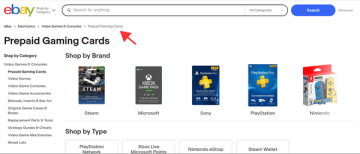
Breadcrumbs generally appear at the top of a web page and show a trail from the homepage to the current page. Using this trail, users can easily trace their steps back to previous pages or jump to a certain category.
Here is an example of breadcrumbs from the eBay website:
There are three primary types of breadcrumbs, such as:
Location-based breadcrumbs
They display the website’s hierarchy, from the homepage to the current page. For example: Home > Blog > SEO Tips
Attribute-Based Breadcrumbs
These are frequently seen on eCommerce websites, showing the product’s attributes that are being viewed. Example: Home > Electronics > Mobile Phones > Android > Samsung can be displayed as the Electronics category, Mobile Phones subcategory, Android sub-subcategory, and Samsung sub-sub-category.
Path-Based Breadcrumbs
They show the route the user followed to reach the current page. Example: Home > Blog > Previous Article > Current Article.
Why Do Breadcrumbs Matter in SEO?
Experts agree that breadcrumbs are essential to improving both the user experience and search engine optimization. Here are some reasons why leading SEO service providers incorporate breadcrumbs into their strategies:
Google Loves Them
Your visitors love breadcrumbs as well as Google. It helps Google and other search engines understand what your website is about and how it’s structured. Google uses breadcrumbs as a way to crawl your content and improve search results, making your results more enticing to users.
Improved Crawlability and Indexing
Google and other search engines use automated bots to browse and categorise web pages. Breadcrumbs serve as a structured guide for these bots, facilitating their comprehension of page hierarchy and interconnections.
This structure can enhance the crawlability of your website and simplify indexing for search engines. Breadcrumbs tend to show up more often on SERPs, offering users a better understanding and increasing the appeal of your listing. This visibility might result in improved organic rankings, which is a good sign for search engines too.
They Improve User user experience.
You know that people hate being lost. When in a new location, people often search for recognisable landmarks; the same is also true for websites. You should keep your website users satisfied and reduce friction as much as possible. Breadcrumbs can help in this aspect of enhancing the user experience since they are an effective interface element that provides an instant way out for users. People don’t need to hit the back button every now and then and get confused after a while!
SEO Benefits Through Internal Linking
Breadcrumbs create internal links on your website. Internal linking is a powerful SEO strategy that helps distribute link equity across your site, thereby increasing the SEO value of various pages. By linking to top-ranking pages, blogs ensure that relevant category or product pages get the link juice they need, improving their chances of ranking higher in search results.
According to a Moz study, internal links can improve a page’s position in search results. By using breadcrumbs as part of your internal linking strategy, you can improve the overall SEO performance of your site.
Reduced Bounce Rate
A high bounce rate may spoil all your SEO efforts. A high bounce rate signifies that visitors do not consider the web content on your site to be useful or related to what they are looking for. Breadcrumbs can assist in reducing this bounce rate by offering an effortless and direct method of returning to previous pages. Users can sometimes become lost when browsing a website, but breadcrumbs assist them in swiftly returning to the correct path and completing their desired action, like adding an item to the cart or wishlist.
Having a clear browsing path encourages users to explore other sections of a website instead of just leaving. Thus, it can increase engagement and send positive signals to search engines, which can improve your website’s ranking over time.
Breadcrumbs Best Practices
In order to maximise the benefits of breadcrumbs, SEO experts prefer following the best practices for smooth implementation. Here are some best practices that experts at Webguru Infosystems follow–
Use Clear and Descriptive Labels
Breadcrumb labels should be concise and descriptive. These must convey a clear idea of what they will find on each page of your website. Avoid using generic terms like “page 1” or “category.” It’s more sensible to use terms like “SEO services” or “Web design services.”.
Keep Them Consistent Across the Site
Consistency matters in terms of breadcrumbs. You should implement them uniformly across your site to ensure a seamless experience for all your visitors. The breadcrumb trail should reflect the correct hierarchy, and this structure needs to be consistent from page to page.
Make Breadcrumbs Clickable
Each part of the breadcrumb should be clickable so that users can easily navigate back to any previous page. Such a feature or functionality can enhance the user experience and encourage further exploration of your site.
Place Breadcrumbs at the Top
Experts prefer placing breadcrumbs at the top of your web page, below the main navigation bar. It should be properly visible, understandable to users, and accessible without having to scroll down the page.
Integrate Breadcrumbs with Schema Markup
To optimise SEO advantages, consider integrating breadcrumbs with schema markup. Schema markup helps search engines understand the organisation of your website, leading to an improved display of breadcrumbs in SERPs. This increased visibility can potentially boost click-through rates and enhance overall SEO performance.
Difficulties with Breadcrumbs Implementation
Although using breadcrumbs has several advantages, there are some drawbacks as well:
Design-Based Integration
Especially for mobile versions, it might be challenging to include breadcrumbs into your site’s design without making the UI look cluttered.
Sustaining Proprecency
It might be difficult to maintain accurate and current breadcrumbs on large, dynamic websites.
Juggling User Experience and SEO
Although keyword-rich breadcrumbs might help with search engine optimisation, it’s important to make sure they stay user-friendly and not overly optimised.
Considering the popularity of mobile browsing, it’s critical to take into account how breadcrumbs work on smaller screens. Since mobile users typically have small screens, it’s essential that you keep breadcrumbs clear and simple to use. By using responsive design strategies, one can improve the mobile user experience by ensuring that breadcrumbs are shown properly on smaller devices.
Additionally, mobile-friendly breadcrumbs can increase visitor engagement and decrease bounce rates—two important aspects of mobile SEO.
Conclusion
Breadcrumbs are an essential part of any successful SEO strategy. Breadcrumbs have a big impact on your website’s SEO performance since they improve internal linking, user experience, and site structure. According to leading SEO service providers, using breadcrumbs is an excellent start if you’re trying to get greater online visibility.
It may seem like a small thing, but breadcrumbs can make a significant difference and help you stay ahead of the competition. So, do not underestimate this straightforward yet effective instrument for SEO services; it might be the key to the success of your website.
The post Breadcrumbs 101: The Essential Guide to Boosting Your SEO first appeared on Read Our Blog – Webguru Infosystems.
]]>The post Tips to Navigate SEO in 2024 first appeared on Read Our Blog – Webguru Infosystems.
]]>Top Major Changes Happening in SEO Right Now
Change Number #1: AI & SGE
The first change that you need to know about is AI and SGE. For sure, AI is the buzzword of the day, but it is transforming not just the way that marketers do marketing, but also how search engines work and present their results. And Google’s SGE, or search generative experience, is probably the most profound change that we marketers need to be aware of. And here’s an in-depth look at how Google’s Search-Generative Experience works. When you search for something, rather than seeing the regular organic results, you get a big AI powered snapshot at the top.
And this is really significant because, rather than getting a whole list of websites that people can scroll through, the searcher basically sees three links. And of course, this means that if you’re not in those three links, you could see a significant drop in traffic the race is on over the longer term. So you could actually change how people use search engines because it allows you to have a conversation with Google. It allows you to ask follow up questions and do much more personalised searches than you would if you were only looking at surface results from websites.
And of course, if we as marketers want to take advantage of this, we need to optimise our content for that type of search and get it shown in this carousel section at the top of the page. This is one of our key battlegrounds over the next year, as well as an incredibly exciting opportunity.
Short Content Ranking
Now we’re going to cover exactly how to plan for this in just a minute. But before we do that, the second major change that we’re seeing over the next year is short content ranking. Yes, best practice wisdom in SEO is always that you need to provide long content on a page if you want it to rank on Google. So everyone’s been writing ultimate guides, answering all of the possible questions that people might have about a topic in order to get them ranked on the first page. But over time, we’ve started to notice a shift where Google is actually starting to reward, in some cases, shorter content instead.
And usually, historically, we would have expected to see medium- to long-page rankings for this. But you should consider variance in content length. Loads of detail, long content doesn’t seem engaging. Websites have FAQs all answered in detail. As well as statistics, all that type of stuff. A very, very long, comprehensive page. But sometimes, maybe that’s too long. Maybe you don’t need the entire history of the universe.
Google Perspectives
Number three: Google perspectives. This is one of my favourite changes to SEO, but nobody really seems to be talking about it now. This is only visible at the moment on mobile in the US, or using a US VPN on Chrome or on the Google app, but this is already out there. Google has already launched this. It’s testing, and it’s collecting feedback. Here’s how Google Perspectives works: When you make certain types of searches, you see certain filters at the top of the page.
SEOs would benefit from understanding Google Perspectives and considering ways to include it in their plans. Businesses can use Google Perspectives in the following methods:
- Pay close attention to the content that customers create about the products and services. This involves dedicating time to respond to inquiries on Reddit and Quora, as well as encouraging clients to make brief videos on YouTube or TikTok sharing their experiences with the offerings.
- Monitor the discussions occurring within Google Perspectives to determine if there are recurring complaints or problems customers experience with competitor brands. This valuable information can assist in refining your brand’s placement and inform the frequently asked questions you address on your website and product pages. An experienced SEO service provider can help you effectively analyse these conversations and translate them into actionable insights for your SEO strategy.
- Collaborate with individuals who are already discussing you on social media platforms to produce material aimed at achieving a strong position in Google Perspectives. This could mean jointly crafting content or just motivating them to keep mentioning you online.
How to Plan for These Changes in SEO?
Here are the steps on how to plan for the changes in SEO, according to the video:
- Sign up for SGE: You can try using SGE this way and find out which searches show results from SGE. You are also able to observe which websites receive rewards and what content pieces SGE references.
- Start testing and experimenting with your own site: Once you have a feel for how SGE is working, start testing and experimenting with your own site to see what you can do to get your pages ranking in the SGE results.
- Focus on user-generated content: User-generated content’s impact on trust and authenticity in marketing is massive. It is good for you to pay attention now to the content that people are making about what you sell or do. You might invest time on platforms like Reddit and Quora to reply to inquiries from people, and motivate your clients to generate content regarding what you offer in products or services.
- Experiment with different content lengths: Google is starting to reward shorter content in some instances. So, you should try experimenting with different content lengths and see what works in your space.
Final Thoughts
To finish, the world of SEO is always changing. These big shifts, like AI and SGE, short content getting higher ranks, and Google Perspectives, mean that companies must adjust. If they keep up to date with these developments, try out new things early on, and pay attention to content from users, businesses can remain successful in this dynamic SEO environment. Keep in mind, SEO is a strategy for the long run, and staying committed to ongoing improvement will be essential for achieving success.
The post Tips to Navigate SEO in 2024 first appeared on Read Our Blog – Webguru Infosystems.
]]>The post How Voice Search Optimisation Can Help SEO first appeared on Read Our Blog – Webguru Infosystems.
]]>Statistically speaking, more than a billion voice searches occur each month. Also, more than half of the adult users reported to be using voice search daily. (source: demandsage.com.) In fact, voice search using virtual assistants is convenient and easier than typing a query. However, there is a catch: a typical voice search isn’t similar to a text search. This is due to the fact that consumers word their requests differently while speaking to the gadgets. In other words, they communicate in the same manner that humans do. Thus, SEO services must draw into this expanding user population given the appeal of voice assistants like Alexa, Siri, Google Assistant, and others.
Further, ranking using voice search is not easy. And devices allowing voice search tend to list only the top three results for a query. This necessitates the use of top-notch content and voice SEO. The article explores the reasons behind the surge for voice search, its impact on SEO strategies, and the future it promises.
What Is Voice Search Optimisation?
Voice search optimization is the process of improving your online presence to make it more accessible and visible to users who perform voice searches using virtual assistants or voice-enabled devices. This involves optimizing your website content, keywords, and overall website structure to align with the way people speak and ask questions verbally. Additionally, voice search optimization also includes incorporating schema markup and local SEO strategies to enhance your chances of appearing in relevant voice search results.
Why Is Voice Search Important for Digital Marketers?
For digital marketing services, the advent of voice search has major ramifications. Voice searches are typically lengthier, more conversational, and location-specific. They have changed how content is created and keywords are optimized. Digital marketers who do not adapt run the danger of losing exposure and traffic, but those who optimize their tactics for voice searches stand to gain a competitive edge.
The Evolution of Search: From Typed Queries to Spoken Words
In the past, consumers would enter their search phrases into well-known search engines like Google and then explore the SERPs. Thanks to the development of voice recognition technology utilised by virtual assistants like Alexa, Siri, Cortana, and Google Assistant, the situation has now improved. It’s interesting to note that, as a result of the widespread usage of smartphones and smart speakers, individuals are increasingly conducting searches using their voices. Besides, the efficiency and practicality of using spoken languages for voice search are highly convenient.
Why the Shift to Voice Search?
Several factors contribute to the growing preference for voice search. First and foremost is the convenience it offers. In our fast-paced lives, speaking a query is quicker and easier than typing, especially when we are on the go. Additionally, voice search accommodates a wider demographic, including individuals with limited typing abilities, making the internet more accessible to all.
Moreover, voice searches often yield more accurate results. Virtual assistants are now capable of understanding context, everyday language, and even regional accents thanks to the advances in natural language processing and machine learning algorithms. Users thus obtain more pertinent and customized information, which improves their entire search experience.
Impact on SEO Strategies
The rise of voice search has great implications for businesses and their digital marketing strategies, particularly in the realm of search engine optimization (SEO). Unlike typed searches, voice queries tend to be more conversational and longer, resembling the way people speak. This shift has led to the rise of “long-tail keywords,” which are more specific and reflect the natural language used in voice searches. You may read our blog to learn how long-tail keywords can enhance SEO.
To optimize for voice search, businesses need to focus on natural language keywords and phrases. Here, understanding the intent behind user queries becomes crucial. Content should be tailored to provide direct, concise, and informative answers to common questions related to the business. FAQ pages and structured data markup are invaluable tools, as they enable search engines to extract relevant information and present it as featured snippets, enhancing visibility in voice search results.
Additionally, local SEO plays a vital role in voice search optimization. A significant percentage of voice searches are location-based, such as “restaurants near me” or “gas stations nearby.” Ensuring consistent business information across online directories, optimizing Google My Business listings, and encouraging customer reviews are essential tactics to enhance local search visibility in the age of voice search. You may read our blog to know the strategies to dominate search rankings in 2023.
The Future of Voice Search Optimization
As technology continues to advance, the future of voice search optimization holds exciting possibilities. Artificial intelligence and natural language processing will be used to make virtual assistants much better at understanding complex inquiries and giving meaningful solutions. The relevance of voice search optimization is further increased by the growing number of speech-activated gadgets in homes and cars. These turn such areas into interactive hubs where users can easily access information, make purchases, and operate smart devices using voice commands.
Moreover, the expansion of voice search into new languages and dialects will further bridge the digital divide, making online resources accessible to diverse global audiences. Businesses that invest in multilingual voice search optimization will have a competitive edge in the global market. This is due to the fact that they cater to the linguistic diversity of their customer base. To know how AI is likely to impact SEO in the future, read our blog.
Conclusion
The rise of voice search optimization represents a paradigm shift in the way people interact with technology and seek information online. SEO services that adapt their strategies to align with the natural language and conversational tone of voice searches will not only enhance their online visibility but also provide users with a seamless and user-friendly experience. As we embrace the era of voice-activated technology, staying attuned to these developments will be key to unlocking the full potential of digital marketing in the years to come.
The post How Voice Search Optimisation Can Help SEO first appeared on Read Our Blog – Webguru Infosystems.
]]>The post Strategies for Dominating Search Rankings in 2023 first appeared on Read Our Blog – Webguru Infosystems.
]]>So, how can you stand out? In this article, we will explore over 15 effective strategies to help you achieve and maintain that coveted #1 ranking on Google in 2023 and beyond.
1. Understanding Google’s Algorithm in 2023
Google’s algorithm is ever-evolving, continuously adapting to provide the best user experience. To succeed in SEO, it’s essential to understand the key elements of the algorithm and how they influence rankings. Here are the critical points to consider:
• Google’s focus on user experience: Google prioritizes websites that offer high-quality user experiences, rewarding them with better rankings.
• Prominent ranking factors: In 2023, certain factors have gained more prominence, such as mobile-friendliness, page speed, user engagement, and content relevance.
• The role of AI and machine learning: Google utilizes artificial intelligence and machine learning to understand user intent, interpret content, and deliver personalized search results.
2. Comprehensive Keyword Research
Keyword research forms the foundation of any successful SEO strategy. By identifying relevant and high-traffic keywords, you can optimize your content to match user search queries. Consider the following tips:
• Targeting relevant keywords: Understand your target audience and their search intent to identify keywords that align with their needs.
• Utilizing keyword research tools: Leverage tools like Google Keyword Planner, SEMrush, or Ahrefs to discover keyword opportunities, search volumes, and competition levels.
• Long-tail keywords: Incorporate long-tail keywords to target specific niches and capture more qualified traffic.
3. High-Quality Content Creation
Content is the backbone of SEO. By creating valuable, well-researched, and engaging content, you can establish your expertise and attract organic traffic. Here’s how to optimize your content:
• User intent and search engine optimization: Align your content with user intent while incorporating relevant keywords to improve visibility in search results.
• E-A-T (Expertise, Authoritativeness, Trustworthiness): Focus on demonstrating expertise, building authority, and establishing trust through high-quality content.
• Format and structure: Use headings, subheadings, bullet points, and paragraphs to make your content scannable and easy to read.
4. Mobile-First Optimization
As mobile usage continues to rise, Google prioritizes mobile-friendly websites in its rankings. To ensure your website is optimized for mobile, consider the following strategies:
• Improve mobile site speed: Optimize images, minify code, and leverage caching techniques to enhance mobile site speed.
• Enhance user experience: Simplify navigation, minimize pop-ups, and ensure that content is easily readable on mobile devices.
• Responsive design: Implement a responsive design that adapts to different screen sizes and resolutions, including foldable screens.
5. Technical SEO Best Practices
Technical SEO focuses on optimizing your website’s technical elements to improve its visibility to search engines. Here are some best practices to consider:
• Website architecture and URL structure: Organize your website into logical categories and use clear, descriptive URLs.
• Optimizing meta tags, headings, and alt attributes: Craft compelling meta titles and descriptions, use appropriate heading tags, and optimize image alt attributes.
• Schema markup: Implement schema markup to provide search engines with structured data and enhance rich snippets in search results.
6. Backlink Building Strategies
Backlinks remain a crucial ranking factor. However, it’s essential to focus on quality rather than quantity. Consider the following strategies for building high-quality backlinks:
• Ethical link-building techniques: Focus on earning backlinks naturally through high-quality content, outreach to relevant websites, and guest blogging.
• Leveraging social media and content promotion: Share your content on social media platforms, industry forums, and online communities to generate backlinks and increase visibility.
7. User Experience and RankBrain
Google’s RankBrain algorithm utilizes artificial intelligence to understand user behavior and deliver relevant search results. Improve user experience to enhance your SEO performance with the following strategies:
• Understanding RankBrain: Familiarize yourself with RankBrain’s role in search rankings and its focus on user experience signals.
• Improve bounce rate and dwell time: Create compelling content that encourages users to stay on your website and engage with your content.
• Enhance overall user satisfaction: Focus on providing a seamless, intuitive, and enjoyable user experience.
8. Local SEO for Geo-Targeted Rankings
If you have a local business, optimizing for local search is essential. Consider the following strategies to improve your local SEO performance:
• Optimize Google My Business: Claim and optimize your Google My Business listing, ensuring accurate and up-to-date information.
• Leverage customer reviews and testimonials: Encourage customers to leave positive reviews and testimonials, which can boost your local search visibility.
• NAP consistency: Ensure consistency in your business name, address, and phone number across all online directories.
9. Voice Search Optimization
With the rise of voice search assistants and devices, optimizing your content for voice queries is crucial. Follow these strategies to improve your voice search visibility:
• Optimize for conversational queries: Focus on long-tail keywords and natural language in your content to match voice search queries.
• Provide direct answers: Structure your content to provide concise, direct answers to commonly asked questions.
• Prepare for voice-based devices: Anticipate the growth of voice-based devices and optimize your website and content accordingly.
10. Video SEO Strategies
Video content continues to gain popularity, making it a valuable asset for SEO. Optimize your videos for better search visibility with these strategies:
• Video titles, descriptions, and tags: Optimize your video metadata with relevant keywords and compelling descriptions.
• Host videos on SEO-friendly platforms: Choose video hosting platforms that offer SEO benefits, such as YouTube or Vimeo.
• Create engaging and shareable videos: Craft high-quality videos that captivate your audience and encourage sharing on social media platforms.
11. Social Signals and SEO
Social media presence can indirectly impact your search rankings. Consider the following strategies to leverage social signals for better SEO performance:
• Building social engagement: Encourage social sharing, likes, comments, and follows to increase social signals associated with your content.
• Influencer partnerships: Collaborate with influencers in your industry to amplify your content’s reach and attract more social engagement.
• Consistent branding: Maintain a cohesive brand presence across social media platforms to establish authority and build trust.
12. Website Performance and Core Web Vitals
Google’s Core Web Vitals are a set of performance metrics that measure user experience. Optimize your website’s performance to align with these metrics:
• Understanding Core Web Vitals: Familiarize yourself with the Core Web Vitals metrics, including page speed, interactivity, and visual stability.
• Strategies for improvement: Optimize your website’s speed by compressing images, minimizing code, and leveraging caching techniques.
• Measure and optimize: Continuously monitor your website’s Core Web Vitals using tools like Google PageSpeed Insights and optimize accordingly.
13. Keeping Up with Algorithm Updates
Google’s algorithm is dynamic and undergoes regular updates. Stay informed and adapt to changes using the following strategies:
• Stay updated on industry news and official announcements: Follow reputable SEO blogs and stay informed about algorithm updates and changes.
• Adaptation strategies: Implement a proactive approach by monitoring your website’s performance, analyzing data, and making necessary adjustments.
• Continuous learning: SEO is an ever-evolving field, so invest in continuous learning to stay ahead of the curve and adapt to future updates.
Conclusion
Achieving the top spot on Google requires a holistic and multifaceted approach. By implementing the 15+ strategies outlined in this article, you can improve your chances of ranking #1 on Google in 2023 and beyond. Remember to focus on user experience, provide valuable content, adapt to evolving algorithms, and regularly monitor and optimize your website’s performance. With dedication and persistence, you can drive organic traffic, enhance your online presence, and achieve long-term business growth through effective search engine optimization.
The post Strategies for Dominating Search Rankings in 2023 first appeared on Read Our Blog – Webguru Infosystems.
]]>The post How To Use Google Search Console For Better SEO Results first appeared on Read Our Blog – Webguru Infosystems.
]]>Key Features of Google Search Console
Previously called Google Webmaster Tools, the tool’s name was changed to Google Search Console in 2015. It is a free tool that businesses regularly use to review the crawling and indexing status of their websites, and optimize their search engine visibility. Here are some of the key features of this tool.
1. Search Traffic
One of the most valuable features of GSC is its ability to show you how many users are clicking on your website’s links in Google Search and the keywords they are using to find your site. This information is like a treasure chest for SEO professionals, since now the exact keywords to be targeted are much clearer.
2. Crawl Errors
Imagine Google’s crawlers encountering errors while trying to access your website. That can be disastrous. These crawl errors can prevent your pages from being indexed by Google, making it difficult for your site to appear in search results. Luckily, GSC comes to the rescue by showing you any errors that Google’s crawlers stumble upon (such as a server error or a URL error). Armed with this information, you can swiftly fix these errors and ensure that your pages are ready for indexing.
3. Index Coverage
Ever wondered which of your pages are being indexed by Google? GSC provides insights into your website’s index coverage. If you have important pages that you want Google to index but aren’t showing up, GSC allows you to request a re-crawl and index them. This feature ensures that your valuable content gets the recognition it deserves and boosts your chances of appearing in search results.
4. Mobile Usability
In today’s mobile-driven world, having a mobile-friendly website is essential for SEO. GSC comes to your aid once again by showing you how well your website performs on mobile devices. By identifying any mobile usability issues, you can make the necessary optimizations to ensure your site looks and functions beautifully on smartphones and tablets. A mobile-friendly website is more likely to rank well in Google Search, so this feature is a crucial stepping stone to mobile success!
5. Rich Results
Rich results are the fancy enhancements you see in search listings, such as recipes, videos, and events. GSC enables you to verify your site’s support for rich results, allowing you to make your listings more visually appealing and informative. These eye-catching enhancements can attract more clicks and conversions, giving your website an extra edge in the search results. It’s like adding a touch of elegance and charisma to your website’s online presence!
Wondering how you can conduct a full SEO audit? Read our blog on conducting website audits to learn more.
How To Use GSC
Now that you understand all the amazing benefits that Google Search Console (GSC) has to offer, let’s dive into how you can make the most of this powerful tool.
1. Creating a GSC Account
The first step before you can begin using GSC is to register a free account. It’s a straightforward procedure that begins with visiting the GSC webpage and logging in using your Google account. Once signed in, you can add your website’s URL to GSC and confirm that you own it. This step certifies that you have access to your website’s backend by uploading a code snippet or file to your site’s server.
2. Reviewing the Data and Insights
It’s very important to constantly evaluate the data and insights the tool offers after setting up your GSC account. You may use this to gauge the effectiveness of your website and pinpoint areas for improvement. Here are the key areas to pay attention to:
- Search Efficiency: This area provides you with a summary of the search traffic to your website, including clicks, impressions, and click-through rate (CTR). To acquire useful insights, you may analyze this data by time, location, device, and search type.
- Coverage: Information regarding any technical problems that Google ran across while scanning your website may be found in this area. It draws your attention to crawl faults, indexing problems, and sitemap mistakes.
- Sitemaps: Here, you can submit a sitemap of your site’s pages to Google. This helps Google crawl and index your site more efficiently, ensuring that your content gets discovered by searchers.
- Links: This section provides valuable information about the websites that link to your site. You can see the number of backlinks, the domains that link to you, and the pages that receive the most links. Understanding your backlink profile is absolutely imperative for good SEO.
3. Optimizing Your Site for Search
Once you’ve reviewed the data and insights in GSC and identified areas for improvement, it’s time to take action and optimize your site for better search visibility. Here are some optimization strategies you can implement:
- Fix technical issues: If GSC reveals any crawl errors or broken links, address them promptly to ensure that search engines can properly access and index your pages.
- Improve site speed and performance: A slow-loading website can negatively impact user experience and search rankings. Optimize your site’s speed by compressing images, minifying code, and leveraging caching.
- Optimize site structure and navigation: Make sure your website is well-organized and easy to navigate for both users and search engines. A clear and logical structure helps search engines understand your content better.
- Create high-quality, engaging content: Develop valuable content that targets your audience’s needs and interests. Optimize your content with relevant keywords to attract organic traffic and provide a great user experience.
- Build high-quality backlinks: Focus on acquiring backlinks from reputable and relevant websites. Quality backlinks can significantly boost your site’s authority and visibility in search results.
Tips For Using GSC
To help you navigate the GSC landscape, here are a few insider tips:
- Set up goals: GSC allows you to set goals for your website, such as increasing organic traffic or improving your average position in Google Search. These goals act as guiding stars, helping you track your progress and ensure that you are using GSC effectively.
- Use the reports: GSC offers a variety of reports that give you valuable insights into your site’s performance in Google Search. Dive into these reports and let them be your compass to improvement. Use them to identify areas where your site can be optimized. For example, you might discover that certain keywords are driving substantial traffic to your site. In response, you can optimize your content to target those keywords more effectively and capture even more traffic.
- Stay up-to-date: Google is constantly updating GSC with new features and data, so stay in the loop with these changes so that you can make the most of GSC’s capabilities. Join relevant forums, read SEO blogs, and stay connected with the SEO community to stay ahead of the game.
Conclusion
You now have the knowledge and skills to use Google Search Console to boost the SEO of your website. You may find areas where your site can be enhanced and verify that you are utilizing GSC properly by analyzing the data and insights it offers on a regular basis. Remember that GSC is a completely free tool that provides a variety of useful data and insights. Adopting GSC is a no-brainer if you’re serious about enhancing the SEO of your website. So go ahead and use this fantastic tool, and watch your website fly in the world of Google Search!
The post How To Use Google Search Console For Better SEO Results first appeared on Read Our Blog – Webguru Infosystems.
]]>The post Optimizing Your Google Business Profile in 2023 first appeared on Read Our Blog – Webguru Infosystems.
]]>It helps businesses increase visibility and drive engagement with potential customers. Having a well-optimized GMB profile can improve your search engine ranking and make it easier for customers to find your business online.
How to Optimize for Google My Business
Optimizing your Google Business Profile isn’t much different from optimizing content for regular SEO. Here are some strategies SEO service providers regularly use:
1. Add Photos and Videos
High-quality photos and videos can greatly enhance the visibility of your business on Google My Business and provide potential customers with a better understanding of what you have to offer. By adding images and videos to your profile, you can bring your business to life and give customers a more comprehensive view of your products and services.
Make sure to include high-quality photos that accurately represent your business. You can add images of your products, services, store interior, and exterior, as well as any promotions or events. The more photos you add, the better customers can understand the essence of your business.
Videos can also be a powerful tool for showcasing your business on GMB. You can use videos to give customers a virtual tour of your store, introduce your products and services, or promote any upcoming events or sales. Videos can help engage customers and make your business stand out from others.
2. Add Detailed Description and Categories
A well-written and detailed description of your business, products, and services can greatly improve your visibility on GMB and increase the chances of attracting potential customers. When creating or updating your profile, take the time to write a comprehensive description that accurately reflects your business and what sets it apart from others.
Make sure to include keywords that are relevant to your target audience and help them easily find your business in search results. For example, if you own a bakery, make sure to include keywords such as “fresh baked goods”, “coffee and tea,” or “pastries.”
It’s also important to select the most appropriate categories for your business. GMB categories help your profile show up in relevant search results and give customers a better understanding of what your business offers. Choose categories that accurately reflect the products or services you offer and avoid selecting categories that may not be relevant.
Accurately choosing the primary business category on your GMB profile is very important. The primary business category helps Google understand the nature of your business and categorize it accurately for search results. This, in turn, affects your visibility on Google and the ability of potential customers to find your business.
When you choose the primary business category, make sure to select the category that best represents the products or services you offer. This will ensure that your profile is placed in the correct category and shows up in relevant search results. For example, if you run a bakery, it’s important to select “Bakery” as your primary business category rather than “Cafe” or “Restaurant.” This will help ensure that your business is properly represented and can be found by customers looking specifically for bakeries.
3. Get and Respond to Customer Reviews
Reviews can play a crucial role in helping potential customers make informed decisions about your business. Encouraging your customers to leave reviews on your GMB profile can help you build a reputation for providing excellent products or services.
It is important to respond to all reviews, both positive and negative, in a timely and professional manner. Responding to positive reviews can help show your appreciation for your customers and strengthen your relationship with them. Responding to negative reviews can help you address any concerns or issues that customers may have and demonstrate your commitment to providing excellent customer service.
By responding to customer reviews on your GMB profile, you can show that you value customer feedback and are committed to improving your business. This can help build trust with potential customers and increase the likelihood that they will choose your business over others.
So, make sure to check your GMB profile regularly for new reviews and respond promptly to ensure that your customers feel heard and valued. And for a better understanding of how reviews work, read this Complete Guide to Google Customer Reviews.
4. Track and Analyze Insights
The Insights feature in Google My Business provides valuable data and insights about how customers are interacting with your listing. By regularly tracking and analyzing this information, you can gain a deeper understanding of your profile’s performance and identify areas for improvement.
With Google My Business Analytics, you can see statistics such as views and clicks on your listing, searches for your business, and direction requests. This information can help you understand the level of interest in your business and how customers are finding and interacting with your listing.
You can also use Insights to see the popularity of your photos and videos, and track how customers are engaging with your business information. This can help you determine which aspects of your GMB profile are resonating with customers and which ones may need improvement.
By using the Insights feature, you can make informed decisions about how to optimize your GMB profile for better results. You can make changes to your listing based on the insights you gain, such as updating your business hours or adding more photos, to ensure that your profile accurately reflects your business and provides customers with the information they need to make informed decisions.
5. Get Hold of Local Backlinks
Google has always used inbound links as a major ranking factor for websites on SERPs. The same is true for GMB as well. Here, the links that you need to focus on primarily are local backlinks, such as from your local Chamber of Commerce website, or from local journalists, schools, or other institutions. These links will send a strong signal to Google that your business is highly relevant and usually in demand in a certain locality, thus benefiting your local SEO greatly. This is a surefire way to rank high on a Google Maps search.
The best way to get such local links is to engage with your local community. Make sure you always take every opportunity to approach local website owners and see if they would be willing to link back to you. This will make a huge difference in your Google Maps rankings.
Finally, include your GMB link in any local business listing site or directory you have listed your business on. This can significantly help to improve the visibility and credibility of your business on the web.
6. Questions, Messages, & Posts
Here are 3 additional tips that can help improve your business standing on Google:
- There’s an option on your Google Business Profile for people to ask questions about your business. These questions, and your subsequent answers to them can be very helpful to later viewers. So, it can be a good idea to ask your friends and family to visit your profile and ask some (pre-determined) questions, that you can then answer. These can be FAQs, or any general questions about your business that will help people.
- Enable the “Message” option on your profile. It’s a simple process – all you need to do after signing in to your GMB profile is navigate to “Messages”, click on “Settings”, and then turn the feature on. This will allow viewers and potential customers to directly ask you product or service-related queries or raise doubts. You can reply back to customers at any time.
- Use the “Posts” feature on your profile to provide an easy and quick way for people to access your most important blog posts, social media posts, etc. Update these weekly (or even daily, if possible). And remember to correctly place keywords here as well. This can significantly benefit your SEO.
Conclusion
Optimizing your Google My Business profile can greatly improve your online visibility and drive engagement with potential customers. By following these steps, you can ensure that your GMB profile is well-optimized and provides customers with the information they need to find and choose your business. Regularly updating and monitoring your profile can help keep your business information accurate and relevant, and drive continued success.
The post Optimizing Your Google Business Profile in 2023 first appeared on Read Our Blog – Webguru Infosystems.
]]>The post How Will AI Impact the Future of SEO? first appeared on Read Our Blog – Webguru Infosystems.
]]>Wondering how the continuous evolution of artificial intelligence will change the future of SEO? Let us find out in the below-mentioned segments.
Today, AI is a leading technology in analyzing data and generating suitable outcomes for decision-making across sectors. So, it seems certain that the technology will influence and even dictate best SEO practices in the upcoming days. Simultaneously, with Google algorithms being changed periodically with the aim of improving the user experience, the SEO services are doing a catching up of sorts to adapt to the change.
Top ways AI is expected to impact SEO in the future
It needs to be understood that AI is an evolving technology used in SEO, which can provide the right data-based insights to satisfy the needs of the user. Check out the following points that tell how artificial intelligence will impact search engine optimization and what more changes can you expect in the near future.
1. Relevant and quality content will have more value
It can’t be denied that content still dominates search engine optimization. With regard to crawling the content, Google utilises NLP or Natural Language Processing to find its relevance with the search query. Hence, high-quality content will continue to retain its value in the upcoming years as it retains now.
Moreover, Google algorithms are constantly evolving in understanding things more deeply than before. So you’d be required to create more relevant content based on platforms, devices, trends, and formats.
Likewise, RankBrain (Google’s machine-learning AI system) utilises AI to embed massive volumes of written language into mathematical entities, named vectors, which the computer system can comprehend. At its core, RankBrain is a machine learning system that has taken Google from a “strings” to “things” environment. Here, machine learning refers to the process of leveraging mathematical models of data to instruct a computer system without using direct instructions. This enables the computer system to continuously learn and evolve based on the new scenarios it comes across.
In case RankBrain doesn’t find familiar words or phrases, the system makes a guess about the phrases or words that may have the same meaning and filters the result accordingly. Thus, it becomes easy to handle search queries that were never seen before.
2. Big data
Currently, data-driven marketing has high value because it drives results. Huge data sets help search engines to identify patterns that they couldn’t spot otherwise. With the help of AI, search engine algorithms can use big data to spot, take advantage of trends, and differentiate between similar users based on factors like:
- Age
- Gender
- Geography
- Education
- Profession
- Political affiliation
- Social media activity
- Cultural beliefs
- Search and browsing history
- Hobbies and interests
- Political affiliation
- Social media activity
- Race
- Connections to other users
- Date, day, or time
- Religious beliefs
- Marital status
- Purchase history
After that, big data is used quickly to spot user-behaviour patterns, trends, and fulfilment in search results so that higher quality results could be provided when searches are made in the future.
3. Optimizing visual content will have more value
According to many experts in the SEO community, visual content will have more impact on SEO in the coming years. We already know that search engine algorithms are getting good at recognising what an audio clip, video clip, and image are about. Visual content is gaining more importance and it’s clear that Google is getting better at analysing it.
Search engine algorithms coupled with AI could make visual content a big ranking factor in the near future. Hence, visual artists will have to consider SEO ranking variables when creating visual content. Just like content writers have to optimize headings and keywords to earn Google’s favour in SERPs. When it comes to SEO for videos, factors like tags, video length, descriptions, optimizing keywords, and others, will have more influence.
4. Search intent
To understand a user’s search intent, you’ve to gain insight into his or her past behavioural pattern and find out the reason behind the search query. Although Google has been focussing on it for some time now, it will gain more significance as AI’s role will increase in the upcoming iterations of the algorithm.
Not only you’ll have to think beyond the basic search phrase, but also consider what problem the user seeks to resolve.
When it comes to the search intent, there are four types of queries:
- Navigational queries based on a specific content for a particular URL. For instance, the user may type “YouTube” in the Google search bar to access the YouTube site instead of entering the URL on the browser or using a bookmark.
- Informational queries include an extensive range of queries, but finding the information is the main objective. For instance, a user may type “how do I prepare coffee?” or “making coffee” to get information related to the query.
- Commercial queries comprise both immediate purchase intent queries and information-seeking queries to buy at a later time.
- Transactional queries are referred to as those that includeactions such as creating an account, signing up for a newsletter, or could be just paying a bill. For instance, the user may type “how to create an account in Facebook” to get more information.
5. Optimising voice search
The rise of voice search in the last few years has been quite incredible and is likely to become the primary medium for search in the future. It’s expected that voice search coupled with AI will bring exceptional changes going forward. In other words, the days are not far when optimising for voice search will be a valuable ranking factor.
However, voice search brings an added challenge into the equation because search terms are a lot more varied plus they are phrased differently. For instance, when searching for services using a traditional text search, one might use a search phrase like “digital marketing in India”. On the other hand, in voice search, they may use a conversational tone, such as “which is the best digital marketing company for repairing services?”
Although AI is theoretically capable now to understand that queries like these are pointing to the same thing, it would be wise to consider little hand-holding, particularly in the beginning.
Nevertheless, it’s just a straightforward subject of sound copywriting.
Final thoughts
Artificial Intelligence taking over the world is no more a hypothesis, but a truth actualizing over time. Besides, it has touched various aspects of our lives and has been evolving for many years. Likewise, AI-powered search engine algorithms are going to get better over time.
So, the important thing is to keep up with these developments, do research, and learn, to take advantage of them in increasing your brand’s visibility both in SERPs and social media platforms.
The post How Will AI Impact the Future of SEO? first appeared on Read Our Blog – Webguru Infosystems.
]]>The post SEO for Multilingual and Multi-regional Websites first appeared on Read Our Blog – Webguru Infosystems.
]]>Guidelines for a Great Multilingual and Multi-regional SEO Strategy
You must first chalk out the exact regions that you wish to target. Then you must decide which languages to offer to these regions. Some regions might require more than one language. These are critical steps because the rest of the project will depend on these decisions.
Domain and URL Structure
After determining the languages and regions you wish to target, you need to formulate a strategy for your domain and URL structure. One of the biggest issues about multilingual websites is the possibility of duplicate content. If the same content appears within many URLs, it can lead to lowered rankings and even deindexing of pages. In order to avoid such duplicate content penalties, Google suggests that we use dedicated language/geotargeting indicators within our URLs to make it easier for them to decipher that information. When it comes to URL structures, you have a few options to choose from.
1. Country Code Top Level Domain (ccTLD)
These domains have specific country codes put in place of generic extensions such as .com or .net and so forth. For example, a dedicated website for France will have the ccTLD “site.fr” instead of “site.com”. Some examples of registered ccTLDs are .as, .cc, .fm, .bz, .de, .in, .ms, .la, .sc, .dj, etc.
Google interprets a ccTLD as a strong signal that a site is targeting audiences from a specific country. If you are absolutely certain about targeting a single location, then this is the way to go. Google themselves use ccTLDs to segment their own website for different locales. However, having multiple ccTLDs might make implementing and tracking SEO and related analytics significantly challenging.
2. Subdomain and Generic Top Level Domain (gTLD) in Combination
Generic top level domains are the common extensions that we are used to seeing everyday, such .com, .org, .biz, .edu, .gov, etc. They don’t target any specific locations by themselves. However, if used in combination with location-specific subdomains, they can be used to achieve that. To target France in this manner, your website would have to look something like fr.site.com.
While users might not be able to recognize your geotargeting just from looking at the website, Google can. And using this technique to segment your website into the various languages you have chosen is a great way not only to inform Google, but also keeps the SEO analysis relatively simple. You will need to use Google’s Webmaster Tools to set it up.
3. Subdirectory with a gTLD
Creating subdirectories is another good way of segmenting web content for different locations. A website aimed at France using this technique would look something like site.com/fr/. Apple uses this technique for their website.
It is easy to set up, easy to manage and update your content, and it allows the domain authority gained by each subdirectory to be transferred to the primary domain name. You will once again need to use Google’s Webmaster Tools to set it up.
Webmaster Tools for Geotargeting
It must be noted first that using ccTLDs is a strong authority signal of a website for both users as well as search engines, and can definitely be used if you really wish to target a specific region. However, the SEO tracking and analysis procedure can get tedious the more your site expands across various borders. That’s why many SEO services prefer to use subdomains or subdirectories. And Google’s Webmaster Tools allows manual geotargeting of your chosen gTLDs with a tool called Set Geographic Target. It’s a fairly simple and straightforward process:
- Choose your desired website on the Webmaster Tools homepage
- Click on Settings under Site Configuration.
- In the Geographic Target section, click on your desired options.
Importance of Server Location
Server location used to be a big deal when it came to SEO. Upto a certain point, Google used the location of servers to determine the geotargeting data of a website. However, that is not the case anymore. Hosting servers have also expanded their business across borders to countries far away from where they originated. Modern hosting giants in the industry now have servers across multiple countries, and website owners don’t usually have the option or even the knowledge to ask for a different server location. This has caused Google to now give much less importance to the location of servers for your SEO. It isn’t considered an important factor anymore.
Hreflang Annotation
The Hreflang annotation is used to help Google understand which URLs should be sent to which users based on language and location data. It is useful when you have many versions of the same content in many languages, and can use them separately to target separate locations, letting visitors consume your content in their preferred language. It can also be particularly helpful to eCommerce websites operating in multiple countries. Using such tags, the website can present to the users prices of the listed products in their own currencies. It will also help you solve the issue of duplicate content when you have separate language versions of the same site. Here are some things you should keep in mind when implementing a hreflang annotation.
- You have 3 options where to place the hreflang tag. Commonly it’ll be placed on the first two as a general practice.
- In a Sitemap of the website.
- HTTP Header
- HTML link element
- Make sure that all the different language versions have the same exact hreflang tag placed on them.
- For unspecified locations or languages, make sure you use the annotation: hreflang=”x-default”
- Keep in mind to use the ISO 639-1 code for languages. It is a standard code for identifying languages (like af for Afrikaans, hr for Croatian, da for Danish, etc)
- For locations, use ISO 3166-1 Alpha 2. These are standardized two-letter country codes (like AF for Afghanistan, BB for Barbados, GE for Georgia, etc.)
Shared Database in a CMS
Using a content management system makes the job of multilingual and multi-regional SEO significantly easier. Most of the leading CMS platforms such as WordPress, Drupal, Magento, etc. have inbuilt support for websites that require a multilingual SEO structure.
A CMS allows you to configure your website with multiple domains (or subdomains or subdirectories, based on what choice you made earlier) using the same database. This way, when you update an element on a webpage you do so for all the versions of the website. Manually doing the same for every version of your site would not only be a time-consuming and mundane affair, it would also leave a lot of scope for human error.
Translating Content
Finally, you must translate your website content into the languages you have chosen to target. While tools like Google Translate and other automatic translators have seen serious upgrades over the recent years, they are still nowhere near as good as a genuine human translator. There is still some time before these tools are able to create content that can be used for marketing, and it doesn’t make sense to use them for your website. They are rarely accurate, and can cause a significant amount of damage to your site’s user experience, a parameter that Google holds as extremely important.
There are some things you have to keep in mind when translating your content, and it has to do with keywords. Optimizing keywords is the cornerstone of good SEO. Say you are going to translate your website from English to German. Here’s how you can find and keep the right keywords:
- Identify your targeted English keywords. Make sure you have a primary keyword, and a few secondary ones.
- Translate these keywords into German. And then use a keyword research tool to identify similar keyword suggestions in German.
- Analyze the suggestions you receive, and identify which keywords align best with which pages of your existing English website.
- Translate the content in your website. Forget about keywords and SEO for this part, and focus on quality.
- Make sure that your translation is absolutely accurate. Also make sure that the currencies, phrases, and units of measurement mentioned are all relevant to Germany.
- Now optimize your German language web pages with the keywords that found in steps 2 and 3. Make sure you use your primary keywords in your headers, meta titles, and meta descriptions at least once. Include the secondary keywords in your titles and descriptions also if possible. FInally, try your best to incorporate your keywords into the content naturally wherever possible.
- Translate your site’s URLs, but make sure that there are no letters with accents in them (like à, ò, û, ñ, etc.) CMS platforms that support multilingual websites will often have addons or tools that will help you make these translations while also keeping them SEO-friendly.
Conclusion
Creating a website that provides a positive user experience not only directly impacts your site conversions, it also helps tremendously when it comes to your site’s SERP performance. The more time people spend on your site, the more likely Google is to rank your website much higher on their results page. And achieving this is the entire purpose of SEO.
Implementing a successful multilingual and multi-regional SEO strategy is a challenging task for even the most seasoned of SEO agencies. However, if done well, it can bring your website and your brand untold benefits in the form of traffic, conversions, and business from new markets.
The post SEO for Multilingual and Multi-regional Websites first appeared on Read Our Blog – Webguru Infosystems.
]]>The post Best SEO Practices for Improved Rank and Traffic in 2022 first appeared on Read Our Blog – Webguru Infosystems.
]]>Some Advanced SEO Strategies for 2022
SEO is an ever-evolving and ever-growing field. And with the advent of AI, the future of SEO could also be changing very soon. Here are some of the best SEO practices for 2022.
1. Use Effective SEO Tools
SEO tools will save you from the tiring work of keyword research and analysis. They will easily let you know which parts of your strategies are working well, and which ones need tweaking. Good SEO tools will also send you reports which you can use to see how you fare against competition, and where you can find opportunities. SEO tools can also help you manage multiple websites on the fly, saving you hours of effort.
Google Search Console
The Google Search Console is offered to anyone having a website for free. It lets you monitor your site’s presence in the Google SERPs. You first need to add a piece of code to your website in order to verify it, after which you may submit your sitemap for indexing. Using the console, you can now control what gets indexed. The Google Search Console also helps you understand exactly what keywords your site ranks for. This way you can optimize your site much better for Google.
Analytics
Google Analytics is a widely used tool, across hundreds of thousands of websites across the internet. With this tool you can analyze your web traffic, identify your top content, monitor valuable marketing channels, and also analyze user behavior such as click through rates, average time spent, bounce rates, etc.
SEO Plugins
For WordPress-based websites, plugins such as AIOSEO and Yoast SEO are enormously helpful. These plugins will help you generate content that is perfectly optimized for search engine crawlers by conducting on-page SEO analysis. These tools also help in writing metatags, sitemap generation, and social media integration.
2. Find Keywords that Customers Search For
Keyword research will bring you valuable insight into what your target audience actually wants. When researching online, people search using these keywords. With this information, you can make an informed content strategy (and your larger advertising and marketing strategies as well). Here are a few strategies to consider in 2022 when researching keywords.
Find long-tail keywords with Google Suggests
Long-tail keywords are longer keyword phrases that contain 3 or more words. It is important that your content has a mix of short and long-tail terms, because this kind of keyword strategy is well-suited to both short-term as well as long-term goals. This is simply because the shorter keywords are frequently searched, making them much more difficult to rank for. Some ways to research effective long-tail keywords are:
- Type in a keyword in the Google search bar, but don’t press enter. Instead, look at the alternate suggestions that Google provides. These are commonly searched keywords.
- The “People also ask” section now gets displayed on the Google SERP for almost 85% of searches. It is a great way to incorporate longer keywords, as this feature lets you understand exactly what questions users are asking.
- The footer of the SERP will also display search terms that are related to what you have searched. This section also provides insights into what keywords people are searching for.
Google Keyword Planner
Google keyword research tool can help you understand how often certain words are searched, and how they have changed over time. This will help find keywords that are most relevant for your business, and then strategise around them. Most people generally simply type seed keywords into the Google Keyword Planner for ideas. However, if you enter your page’s URL into it, the tool will scrape that page for and generate a lot more keywords that you wouldn’t normally see.
Popular Forums
Reddit has a discussion board for seemingly every topic on earth. This makes it a treasure trove of research for marketers. You can use it to understand what queries people have, and this will give you a significant insight into what keywords you should use. Similarly, you can use Quora and other popular discussion forums as well.
3. Keyword optimize your content
It is important to understand that you don’t create content around what you want to tell people. Instead, you should be creating content based on what people want and are asking for. In other words, you want your customers to come to you, and not the other way around. This is what makes keyword research so important. However, it will serve no purpose unless users (and Google) can actually see these key terms reflected in your content. Here are few ways to optimally plant keywords into your content:
- The first 100 words – This is where you grab the attention of the reader. Unless this portion is engaging, the user will probably not read further. This makes it important that you place the correct keywords strategically here. This will reassure readers that further reading might actually solve their queries.
- Title Tag – Use your keyword in the beginning of the title tag of your webpage. This makes it much more visible to search engine crawlers.
- URL – Make sure your page URL is short, and includes the target keyword.
- Subheadings – Should a user choose to go further into your webpage, the subheadings are what will probably grab their attention among all of the content. This makes it important to smartly include relevant keywords into your H1, H2, and H3 subheadings.
4. Find and fix technical SEO issues
There are a few technical aspects to SEO that must be taken care of for any SEO campaign to be effective. This holds all the more important in 2022, since Google’s algorithms and people’s demands both keep evolving.
Mobile-first Indexing
Starting July 2019, Google has implemented mobile-first indexing. This means that Google “predominantly uses the mobile version of the content for indexing and ranking”. This makes mobile-friendly websites extremely important. Google’s Mobile Usability Test (under the Search Console) is a great tool that helps analyze how well-optimized your website is for mobile devices.
Fix Crawl Errors
A crawl error occurs when a search engine is trying to reach your website, or a specific webpage in it, but failing. You can use Crawl Stats under the Search Console to get a detailed report on this. The Search Console also has a URL Inspection Tool that you can use to check whether a specific page on your website has been crawled and indexed by Google. Crawling is a crucial factor in determining your site’s rank, and any crawl issues must be fixed as soon as they are found.
Page Load Speed
This is also a very important factor that determines your site’s Google rankings. Sites like PageSpeed Insights and WebPageTest can effectively tell you how well optimized and fast-loading your web pages are, and you can work on them accordingly. For a better rank in Google SERPs, your website should pass Google’s Core Web Vitals Assessment for both mobile and desktop.
In our blog, How Can User Experience Boost Your SEO Efforts, we have explained it further.
5. Great content
Good content forms the backbone of any SEO strategy. When combined well, content and SEO can easily push a website near the top of the SERP. It leads to visibility and traffic, often also encouraging people to buy your services/products. Here are some tips on creating great content:
- Choose a topic, and then find content on it that seems to be popular. Read it and analyze the reason for its popularity. Identify the kind of language used, the structure, and the tone. Once you have done that, write something better than what you just read, and then promote it.
- Try to cover the topic you’ve chosen in depth. Once someone visits your page, they should have all (or most) of their queries fulfilled from your page itself.
- Break your content into pieces. Don’t write long paragraphs, and make sure the paragraphs are preceded by subheadings. Use images, charts, and bullet points to make your content much more readable. Use infographics to better express everything you’re writing.
- Topics that cover “Why” and “How” are likely to get much more backlinks, which will significantly increase the web authority of your page. Infographics that easily convey complex topics also get a higher amount of backlinks.
6. Backlinks
What makes backlinks so valuable is that they are a “vote of confidence” from one website to another. They serve as signals to search engines that your content is vouched for. They are evidence that your content is valuable. If multiple sites link back to yours, it becomes much more likely for your website to show up in search results. Here are some great backlinking tips:
- Publish great content. This is the only way that people are going to visit and revisit your website. If your content is solid, it will create a much higher chance of other bloggers and writers backlinking to your web page.
- Write guest posts on related websites that have a good domain authority. You can then use that content for backlinks.
- In 2022, it’s a great idea to get backlinks from podcasts. If you have your own podcast, nothing like it. Or you could also go to podcasts as a guest. Today podcasts are popular, and building backlinks through them can prove to be very valuable.
- Consider mentioning influencers in your selected field within your content. Don’t forget to promote said influencers. Chances are that many of them will share and provide backlinks to you as well.
7. Remove Irrelevant Pages and Update All Information
When you let your website grow too large in size, you’re not only wasting valuable crawl budget, but also potentially lowering your rankings. Having hundreds of poor-quality pages indexed by Google that don’t help any visiting users can cause something known as “index bloat”. This will result in search engine crawlers spending unnecessary amounts of time crawling through irrelevant pages, and not the ones that can actually bring you business. Index bloat not only slows down your site, but also creates a poor user experience.
Older, outdated, and irrelevant pages can lead to them receiving the status crawled – currently not indexed. This means that Google can access these pages, but chooses not to show them in its search results. This can be for a number of reasons, and must be addressed too.
If you have older posts that are not exactly irrelevant, but have outdated figures and information, make sure you update those pages. Facts, data, images, and infographics should always be accurate to the present times. You absolutely do not want a visitor to walk away with incorrect information. This can greatly lower the opinions on your site.
8. Improve CTR
The click-through rate (CTR) is the ratio of the number of clicks on a link to the number of impressions generated. A high CTR means that a high number of people who saw your link clicked on it. In order to improve your CTR, make sure you provide a link that potential customers might actually want to click on. You can search google for your targeted keywords, and analyze the results that show up. Locate the titles and descriptions that are attractive, and look like something you might want to click on. Understand how they are writing these titles and descriptions, and what they are doing differently (or rather, correctly). Finally rewrite your own titles and descriptions, incorporating the knowledge you have gained.
9. Animated Images
The ranking of a web page has a direct correlation with the average session length on that page. The higher the amount of time people spend on your webpage, the better the ranking it is likely to receive. This means you must somehow convince visitors to spend more time on your web pages. And a very effective way to do that today is animated images.
The best part of animated images (like motion graphics) is that they are usually short and to the point, play on their own and do not require additional interactions unlike videos, and are occasionally even entertaining. When someone catches a moving image while going through your web page, it will likely stop them from skimming through the page. This way they read more of your content, and effectively spend more time on your site. There are many new and innovative ways to include motion graphics into your site, such as moving elements as you scroll through the page, or special visual and sound effects when someone interacts with the page.
10. “Topic + Year” Content
This refers to content that specifically deals with key trends happening around a topic at a specific year. Like this topic itself. For this strategy to work, your content will naturally have to be 100% geared towards the year in question. At the beginning of every year, people across business and verticals want to know about trends to look forward to for the year. This makes this kind of content very valuable, especially towards the beginning of the year. It can then be used to bolster the rest of your pages as well, to keep people visiting your website all year round.
11. Use Google Tag Manager
Google Tag Manager (GTM) is a free Google tool that allows marketers to manage all their tags from one place, be it for a website or a mobile app. This is extremely helpful for using tracking and analytics applications, whose tags would otherwise have to be manually added to the site’s source code. There’s very little coding involved, and GTM is also very easy to use.
GTM offers some pre-made tags ready to plug in to your website. Google Analytics (both GA4 & UA), Google Ads, LinkedIn Insights, Pinterest and several other tags are availabe under this category. Besides, there is provision to insert other tags from the Community Templates. One example of Community Template is Facebook Pixel. GTM also allows you to insert Custom Tags by typing in the tracking code.
With its easy to use interface and the provision of managing all the tracking code through one place without affecting the website code, GTM has become a useful tool for all SEO executives. Besides, with the reduced external code in the website there is a possibility of improving the page load speed. This in turn helps to improve the SERP ranks.
Conclusion
If you wish to keep improving your site’s organic reach and growing its organic traffic, then you must take your SEO strategy to the next level. If yours is a business that caters to multiple countries and demographics, then you may even want to consider multilingual and multi-regional SEO for your overseas website visitors and clients. A good SEO agency will move beyond the basics and delve deep into SEO techniques that can achieve that. And this is imperative because almost every business website today has some SEO strategy in place. In a digital landscape as competitive as this, advanced tips and tricks as these will surely help you beat the competition.
The post Best SEO Practices for Improved Rank and Traffic in 2022 first appeared on Read Our Blog – Webguru Infosystems.
]]>The post Is SEO Worth it for Small Businesses first appeared on Read Our Blog – Webguru Infosystems.
]]>Search Engine Optimization (SEO) is the process of making your website visible to search engines. This is done by making improvements to both the quality of the website itself, as well as that of the user experience it provides. The better the visibility of your page on the Search Engine Results Page (SERP), the more likely it is to garner attention and attract business. Marketers make use of the webpage content, development, and design to inform the search engine (like Google, Bing, Yahoo) of what your website is about, how credible and relevant it is to possible search intents of users, and whether or not your website can actually address the pain points of these users.
Search engines use “spider” bots to crawl your web pages for relevant data. This means that if your pages are well optimized, relevant, and easy to use, then the website’s chances of receiving a high SERP ranking are good. Some characteristics of such well-made pages are:
- It has a well-written title
- The content is well-written, is broken up under subheadings, and has a proper flow
- The navigation is easy
- The website is optimized for mobile devices
- The web pages load fast
This, in turn, will lead to higher traffic influx and user engagement, and therefore more conversions.
While other marketing campaigns might require paid means, SEO techniques do not. All necessary SEO tools and strategies are already available to anyone who wants to use, free of cost. This is particularly helpful for new and small businesses, who aren’t expected to have the marketing budgets of big brand-name organizations. Here are some fields in which SEO will prove particularly beneficial for small businesses.
Competition

We live in a digital world today. Every decision we make is generally based on information that is just a click or a tap away. This presents a unique opportunity for owners of small businesses to compete against larger chains, as long as they remain adaptable to the changing digital and business landscapes.
In fact, small business websites can bring the revenues that websites of bigger chains usually attract. This is because they have in their arsenal the same SEO tools that big chains have, and thus the ability to boost their organic search rankings really high, even if only for a small area. A small seafood restaurant in Amsterdam may not be able to provide all the items that bigger restaurant chains can, but at least as far as “good seafood in Amsterdam” is concerned, Google will definitely consider recommending the small restaurant over any larger ones to users, provided the website is user-friendly and properly optimized.
Credibility and Brand Awareness

One of the benefits of having a high ranking website on Google is that it greatly builds your brand’s credibility, and more now than ever before. There are a few reasons for that.
Google continuously keeps updating its AI and search algorithms. It has become very good at identifying web pages with irrelevant, useless, or otherwise unnecessary content, and makes sure they don’t receive any decent rankings. Black hat SEO tactics such as stuffing your page with keywords or using paid backlinks are no longer going to help your website, since search engines have become wise enough to not only identify such tactics, but also severely penalize them.
And yet, since search engines will play such a major role in making or breaking your brand image, you will have to keep using them for marketing. This means that the content within the web pages need to be well-researched and insightful. It also means that in order to rank well, the pages need to make good use of SEO tactics such as:
- The website needs to be well-designed and fast-loading.
- It should focus on a specific topic, and use relevant keywords, and make use of internal links.
- Quality content needs to be generated consistently
- There needs to be attractive page titles, headlines, and optimized images.
- The meta-descriptions for the pages need to be information-packed (but keyword stuffing needs to be avoided, since search engines frown upon that)
- The URLs are descriptive without being too long
This means that small businesses can benefit from SEO services since they can focus their website development around specific key terms relating to their specific business, and let search engines rank them. This will lead potential customers to trust your brand, eventually increasing your business credibility and even authority.
Organic Traffic and Potential Reach
As mentioned earlier, if yours is a small business, then it’s unlikely you have a huge marketing budget to spare, and might be hesitant to invest in paid marketing through search engines and their paid networks, as well as social media platforms. If such is the case, here is an interesting statistic. SEO strategies have been proven to drive over 1000% more traffic to websites as compared to organic social media posts (BrightEdge Research). Of course, paid advertisement campaigns are proven to have a high success rate. Yet, it is organic search that leads to about 53% of all web traffic (BrightEdge Research).
SEO is perhaps the most affordable and efficient market strategy available today. Additionally, it only brings in customers that are actively looking for your services and products. An increase in organic reach essentially means that your website is showing up to prospective clients and customers that it didn’t before. If more people start to organically reach and interact with your website, search engines will recognise your website as credible.
Since you now have a level playing field with bigger business, at least as far as SEO is concerned, this traffic can potentially come from anywhere in the world if you so wish. Local SEO strategies are assuredly effective when it comes to bringing about brand recognition in a certain locality, or even to get customers to visit your storefront. But if your services aren’t limited by geography, then there’s no reason why your business wouldn’t start acquiring a global clientele after implementing proper SEO strategies.
User Experience

The common conception around SEO is that it’s simply related to optimization for search engines. However, today SEO also involves providing a well-tailored user experience as well. In fact, such techniques always work in tandem with each other. Quality content, easy-to-use navigation, an interactive interface, optimized load speeds, and mobile-responsiveness, all come together to create a better user experience. This also means that doing some and not the others is going to essentially bring your business no real benefits, especially if yours is a small business. There are a few reasons for that.
Search engines have become smart enough to figure out whether your website provides a high quality user experience or not. It counts metrics like high bounce rates (meaning visits to the website that last only through a single page) and poor loading speeds to make these calculations. If the search engines decide that the user experience of your site is poor, it will give you low rankings, which can hamper your traffic flow, conversion rate, and overall business.
Mobile page optimization has recently become even more important, since about 52.2% of all web traffic arises from mobile devices like smartphones (Statista). This means that over half the internet users of the world access it through phones and not computers. This fact is all the more important for new and small businesses that may not have a high brand awareness or credibility yet. If you neglect to optimize your website for mobile devices, with inconsistencies such as underwhelming designs, poor loading speeds, and difficult navigation, you are essentially alienating yourself from over half of your potential customer base. In the process, you are also destroying your SERP rankings.
Final Thoughts
SEO may have become a big business buzzword of late, but it’s as important and useful to small businesses as it is to the established ones. And with a well planned and well-implemented strategy provided by any reputable SEO service hired by you, there are no limits as to how far your business can grow.
The post Is SEO Worth it for Small Businesses first appeared on Read Our Blog – Webguru Infosystems.
]]>The post Tips to Maintain SEO Rankings Even After Website Redesign first appeared on Read Our Blog – Webguru Infosystems.
]]>However, many often, site owners hesitate to redesign their websites fearing it will affect their SEO rankings and organic traffic. And the fear is not entirely meaningless given the fact that a website redesign may lead to the following: change and removal of existing content, domain and subdomain may change, page-level optimization may modify, new technical issues may spring, new content can be added, internal link structure may change, and so on.
All these have the potential to affect your SEO rankings but with the right strategies, you can maintain a balance between the two. Yes, you can redesign your website without losing organic traffic or SEO rankings. How? This blog will explore it all. Stick to the end.
How to Retain SEO Ranking after Website Redesign
1. Run an SEO Audit
Before setting out to redesign your website, perform an SEO audit. It will help you analyse the best ranking keywords (use these even after redesigning the site), low-performing keywords (you may sacrifice these), the pages that are receiving the most traffic (try not to mess with these!), and so on.
Depending on the insights, you should take the next step. Adopt the best on-page optimization practices while redesigning your website.
2. Don’t Only Focus on Aesthetics
Enhancing aesthetic appeal lies at the heart of website redesign, we agree. But it should not be your only concern. Scrutinize your website from an SEO perspective. For instance, you should adhere to the on-page SEO practices to ensure that your site aligns with search engines’ demands.
From keyword research to content update, meta title and descriptions optimization to loading speed enhancement, image alt text inclusion to title tag optimization – there are lots of works to do.
There are several agencies that offer both website development services and SEO services. Try to engage such a company as it will be aware of both and can optimize your website alongside redesigning it.
3. Don’t Play with URLs
Avoid making any drastic changes to the site domain. If you change the domain, the entire system will be affected, which, in turn, may lead to collapsing your search engine optimization efforts. Therefore, keep using the existing URLs as much as possible.
Especially, keep the URLs with high ranking and traffic flow as they are. If some pages have low ranking or nominal traffic, you may update their URLs and make them more SEO-friendly. Also, if you seek to add new pages, you have the liberty to select any URL for them. That way, you won’t impact the rankings.
4. Review Internal Linking
Internal linking helps in flowing link juice. That means, if you link a low-ranking page to a high-ranking one, the former will receive link juice from the latter and thus enhance raking. As you can understand, you can adopt this practice for newly added web pages.
Since these pages don’t yet have any ranking, they will be benefitted from the link juice flowing from the high-ranking pages. Yet another tip is not to make the website architecture too deep. It will lead people from one page to another and frustrate them. It will create a poor user experience and delay the conversion. Further, search engines will consider these pages to be too hard to find and thus may not feature them in high positions.
5. Set Up 301 and 302 Redirects
Redirecting old URLs to new ones is necessary at times (though you should limit this practice to the least). If you are planning to make any major changes to the permalink structure, it’s important to have a spreadsheet of all the relevant redirects. After the site is live, crawl the list of URLs to make sure that every redirect works as desired.
Here, 301 and 302 redirects come to play. A 301 redirect is a permanent redirect from the old page to the new. Sometimes, it is preferred over temporary redirects as it transfers the inbound links to the new page.
If you want to set up a temporary redirect, a 302 redirect is the way to go. You can set it up while updating a web page so as to ensure a seamless user experience. However, it’s better not to use too many temporary redirects as they damage SEO.
6. Preserve High-Quality Content
If your website has a dedicated blog section full of keyword-optimized high-quality blogs, don’t lose them at any cost. You may update these blogs with the latest information. Preserve video and image SEO practices so as to boost your SEO efforts. Also, while transferring these assets to the new site, pay attention to keeping all the file names and metadata intact.
7. Monitor Ranking and Organic Traffic
Once the new site is live, it’s time to monitor ranking and organic traffic. Some fluctuations are expected during the initial phase but it will soon get steady. Now, it’s time to boost your efforts with more high-quality content and a comprehensive digital marketing strategy. You can connect with a top SEO agency to enhance your search engine ranking and organic traffic.
Following these tips will help you to preserve and even enhance SEO rankings even after redesigning your website. No more do you have to delay website redesigning fearing it will affect your SEO efforts. So, what are you waiting for! Try these and let us know how they are translated for you.
The post Tips to Maintain SEO Rankings Even After Website Redesign first appeared on Read Our Blog – Webguru Infosystems.
]]>The post How Can User Experience Boost Your SEO Efforts first appeared on Read Our Blog – Webguru Infosystems.
]]>Well, a positive user experience is a summation of several factors that help in reinforcing SEO strategies. Not sure what we are talking about? Dive into the blog to get a comprehensive overview.
User Experience and SEO: A Study
1. Loading Speed
With each second that takes a website to load, the chances of a bounce rate increase. If you want to offer a positive user experience, paying attention to an enhanced loading speed is a must.
Here are a few strategies you can adopt to increase loading speed:
- Enable file compression to reduce the size of JavaScript, HTML, and CSS files that are larger than 150 bytes.
- Optimize your code by removing commas, space, and other unnecessary characters.
- Reduce redirects so that the visitors don’t have to wait for the HTTP request-response cycle to complete.
- Enable browser caching so that the browser need not reload the entire page.
- Eliminate render-blocking JavaScript.
- Enhance server response time. Fix issues like slow database queries, lack of adequate server memory, slow routing, and so on. The optimal server response time should be under 200ms.
- Utilize a Content Distribution Network (CDN). These are the copies of your website stored at several geographically diverse data centres served to the users accessing the website from the nearest locations of the data centre.
- Optimize images without affecting quality. Remember, PNG format is better for graphics while JPEG is ideal for photographs.
Impact on SEO:
Does an enhanced loading speed impact SEO? According to the experts of SEO services, the answer is Yes! Google considers webpage loading speed as a crucial ranking factor. You can use PageSpeed Insights (an online tool provided by Google) to identify your website’s performance issues.
2. Simplified Site Navigation
Robust site architecture is something every website owner aspires. However, it doesn’t have to feature complex navigation.
Simplified navigation is always prioritized as a metric for a positive user experience. It helps the visitors to easily find what they are looking for.
Remember, they are not here to appreciate the complexity of your website but to accomplish their goal. The easier it is to accomplish their objective, the better. It will reduce the conversion funnel and lead the users to the end of the funnel without any hassle.
Here are a few ways to simplify your website’s navigation:
- Keep the navigation consistent across all the web pages.
- The website should have multiple clearly-defined sections, categories, subcategories.
- Include a search bar at the top of the website so that people can easily find out what they are looking for.
- Let the users convert whenever they want. This can be achieved by including CTAs in every section of every webpage.
- Opt for an intuitive website design so as to drive familiarity and ease of use.
- Include important links on the header or footer section of the site.
- Make sure all the links are active and lead to the right landing page.
- Include ALT attribute to every clickable image.
- Leverage internal linking to connect one webpage to another.
We know that simplified site navigation is not a matter of joke. You need adequate technical expertise to nail it. That’s why we recommend you consult a professional website development company instead of trying amateur hands. The experts will take care of site development as you focus on business growth.
Impact on SEO:
Simplified site navigation also helps your SEO efforts. That’s because the search engine bots can easily crawl and index web pages.
A robust internal linking structure will help the bots to understand the connection between each page. Further, it will help to flow link juice from one webpage to another and thus enhance the ranking of the page that has a lower rank.
3. Mobile Responsiveness
In the first quarter of 2021, mobile devices generated 54.8% of global website traffic (source: Statista). In such a scenario, the mobile responsiveness of a website plays a crucial role in enhancing the user experience.
Take a look at some of the effective strategies to make your website mobile-friendly:
- Choose a mobile-responsive theme or template.
- Use short forms with limited fields.
- Reduce the number of pop-ups and let the users easily exit.
- Make the web design thumb-friendly. For instance, the internal links, CTAs, images, etc. should be large enough to tap with a thumb.
- Use large and readable fonts and maintain adequate white space.
Here are more of the best practices for mobile responsive website development.
Impact on SEO:
Mobile-friendliness is an important aspect of SEO as it helps in improving site usability. In fact, Google is prioritizing mobile-first indexing these days. That means the mobile version of the site will be crawled and indexed. As you can understand, responsiveness is a key element of search engine optimization.
If you already own a website, take Google’s Mobile-Friendly Test. It will help you to analyze the responsiveness of your site and fix the issues (if any).
4. Value Content
We are sure that you were waiting for this pointer because what’s SEO without content!
Value-driven website content is crucial for user experience. That’s because people get to learn about a brand/business from its webpage content.
- Some of the best practices for webpage content writing include the following:
- Write engaging content maintaining adequate white space.
- Remove jargon so that people can easily comprehend.
- Make sure that your content is concise, crisp, and informative.
- Highlight prime pointers since the users scan pages instead of reading every word.
- Optimize the content with relevant keywords that match the searchers’ intent.
- Avoid keyword stuffing.
Impact on SEO:
We need not stress the importance of content for SEO. Keyword optimized content is the key to winning a high rank and driving organic traffic.
Further, if you offer informative content, people will refer to your site and thus your brand reliability will increase. And as you may already know, brand reliability is a key factor to winning a high rank. Thus, value-driven content can power your SEO efforts.
5. URL Structure
It’s important to implement a user-friendly URL structure. A clumsy URL helps the users recall it and type it in the search bar.
Here are a few components of an ideal URL structure:
- Remove unnecessary characters
- Use a popular domain extension like .com, .net, .in, etc.
- Keep it short and simple to drive memorability.
- Avoid keyword stuffing, but you can use one keyword that is the most relevant to your brand.
- Remove stop words like a, an, the, or, but, etc.
- Use hyphens to separate words.
Impact on SEO:
A solid URL structure is an important factor in SEO. That’s because the search engine spider crawls the URL. Excessive unnecessary characters will affect the crawlability of the URL.
Further, search engine algorithm has become advanced enough to leverage Natural Language Processing (NLP). It can easily understand if too many keywords are stuffed into the URL and considers it to be a blackhat SEO technique.
Final Thoughts
As you can understand, the search engines’ top priority is to ensure a positive user experience. Therefore, the more you optimize your website focusing on user experience, the better it is for your ranking on the SERP.
We hope the blog has offered you a detailed guideline on how to make your site user-friendly and in turn, SEO-friendly. Follow these strategies and you will witness the result yourself.
The post How Can User Experience Boost Your SEO Efforts first appeared on Read Our Blog – Webguru Infosystems.
]]>